

Compare the system, not just the resin name
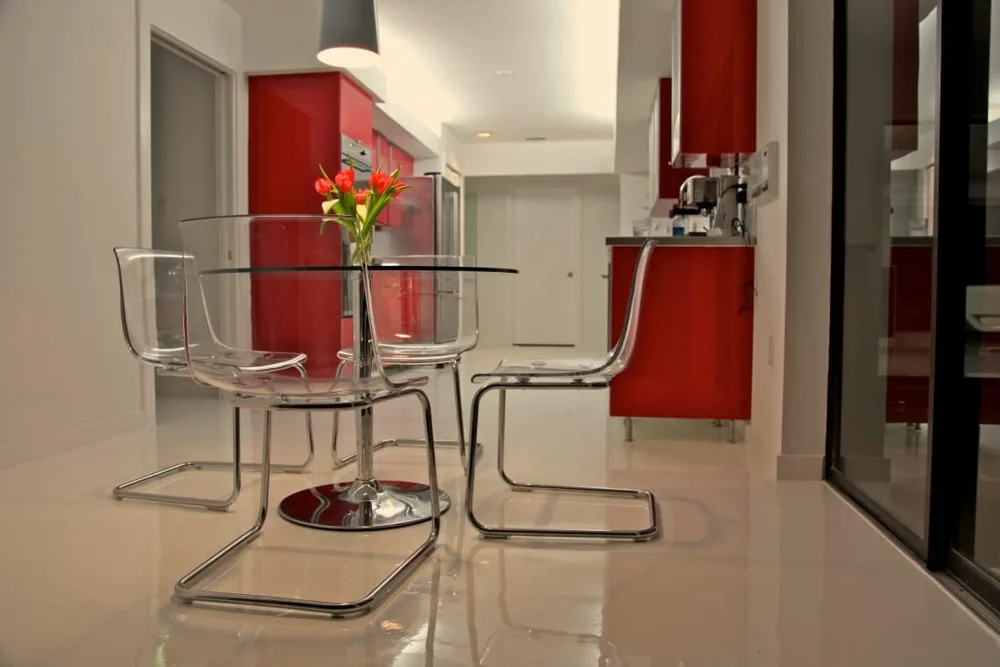
Polyaspartic materials are used in some concrete coating systems, including decorative garage floors. Their role and performance depend on the formulation, other layers, preparation and exposure. Compare the complete proposed system with epoxy or polyurea alternatives.
Preparation still determines the foundation
A coating needs sound, properly prepared concrete. The assessment should identify existing paint or sealer, contamination, weak surface material, cracks and moisture conditions. Mechanical preparation must produce the profile required by the chosen system. A coating is not a repair for structural movement, drainage or an unstable slab.
Cure time needs conditions
Rapid-cure products can support shorter schedules in suitable conditions. That does not guarantee every floor can be prepared, repaired and returned to vehicle use in one day. Ask for separate application and return-to-service times for the chosen products.
Appearance, texture and exposure
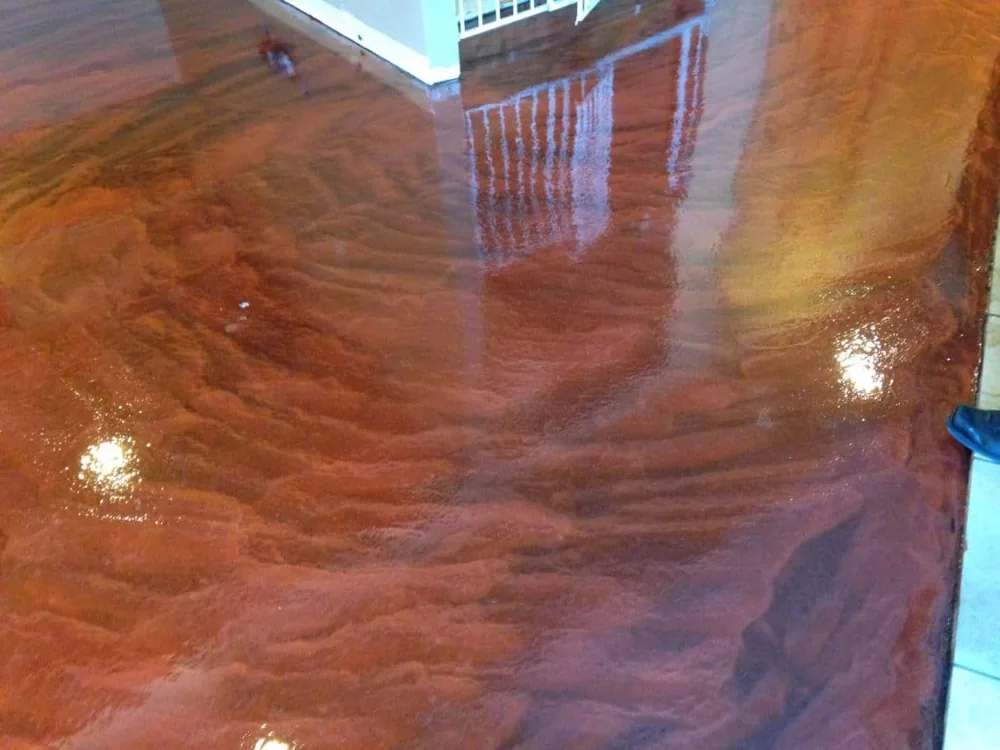
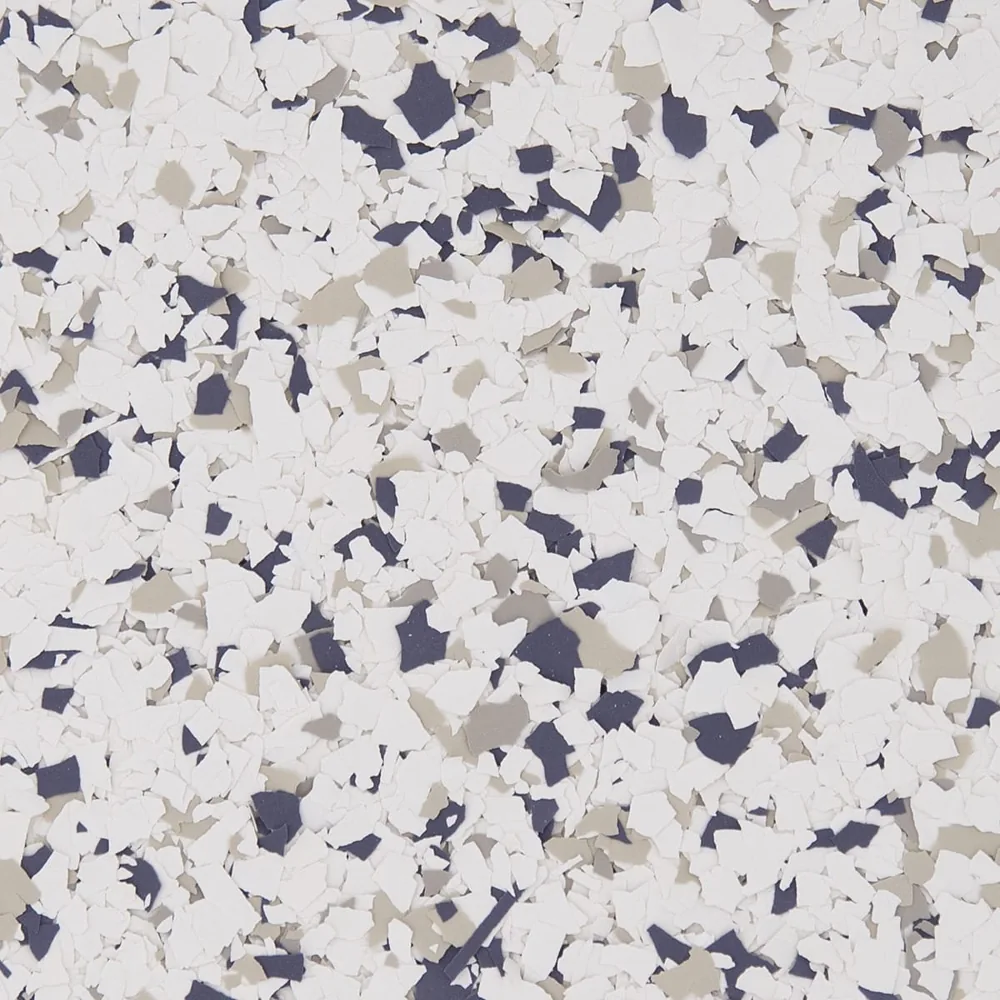
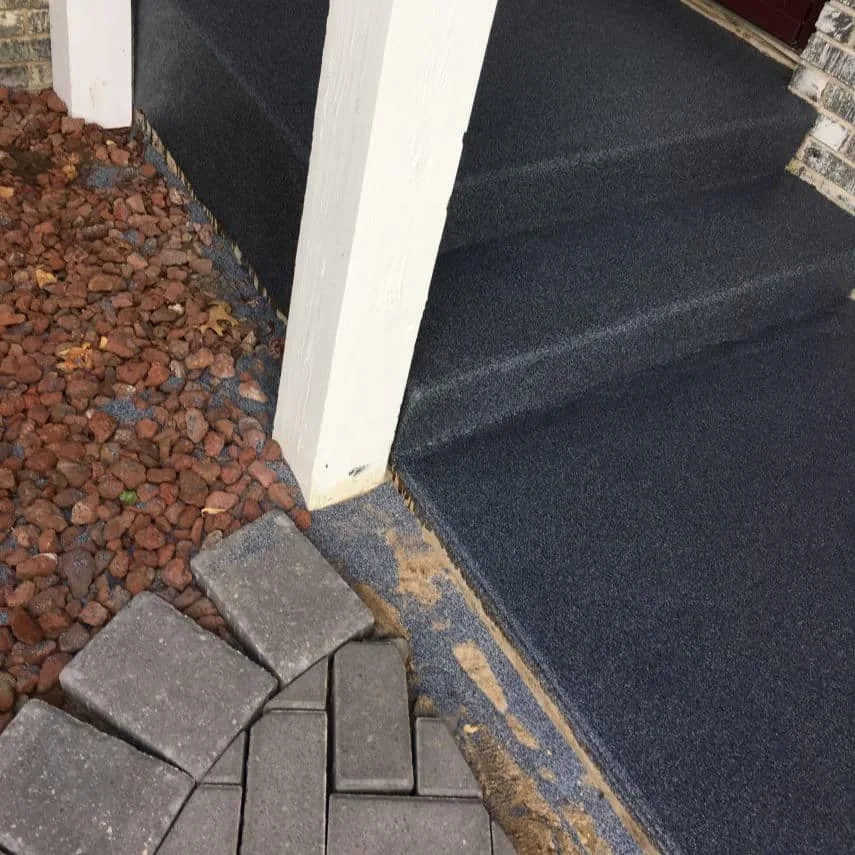
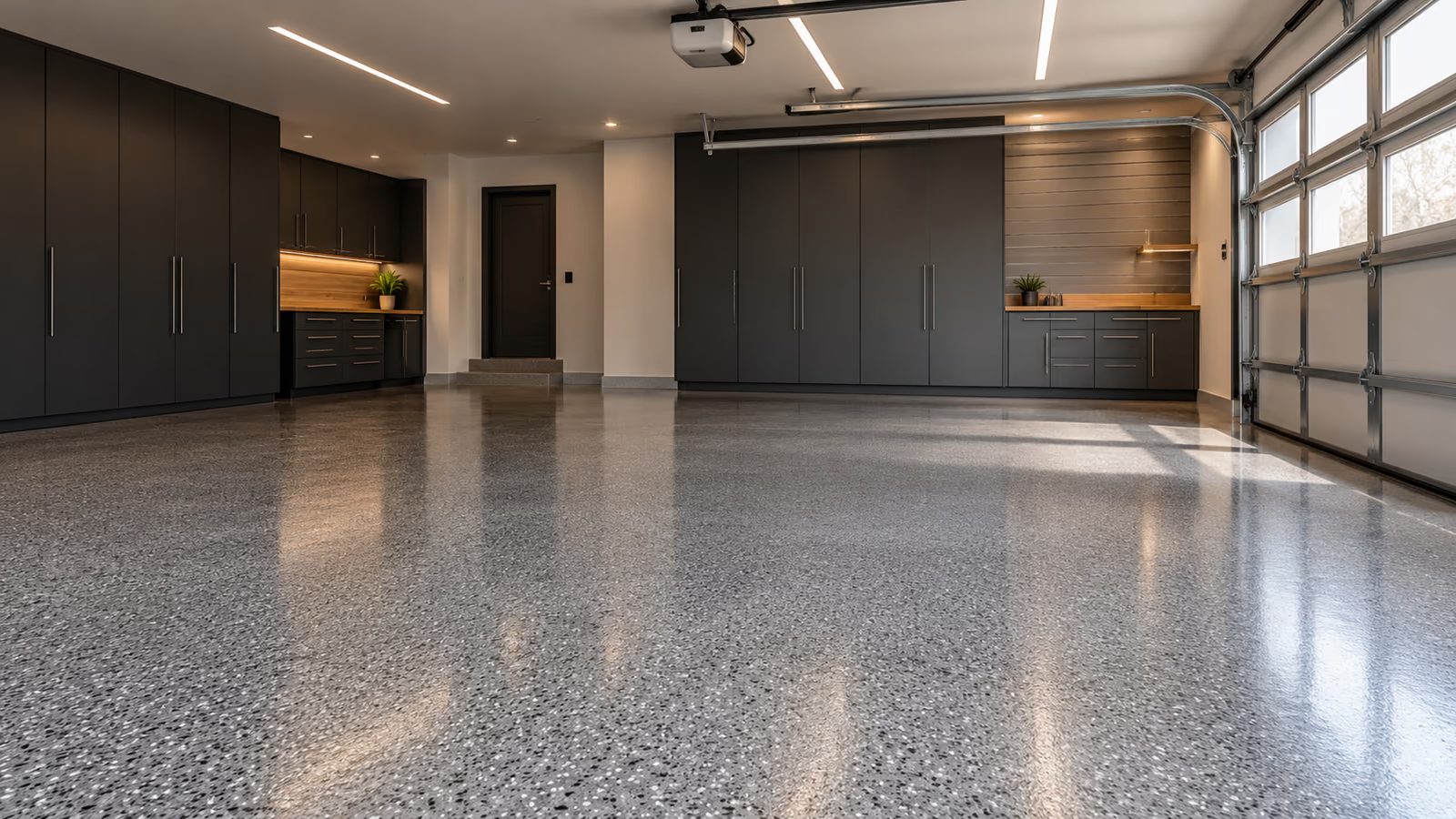
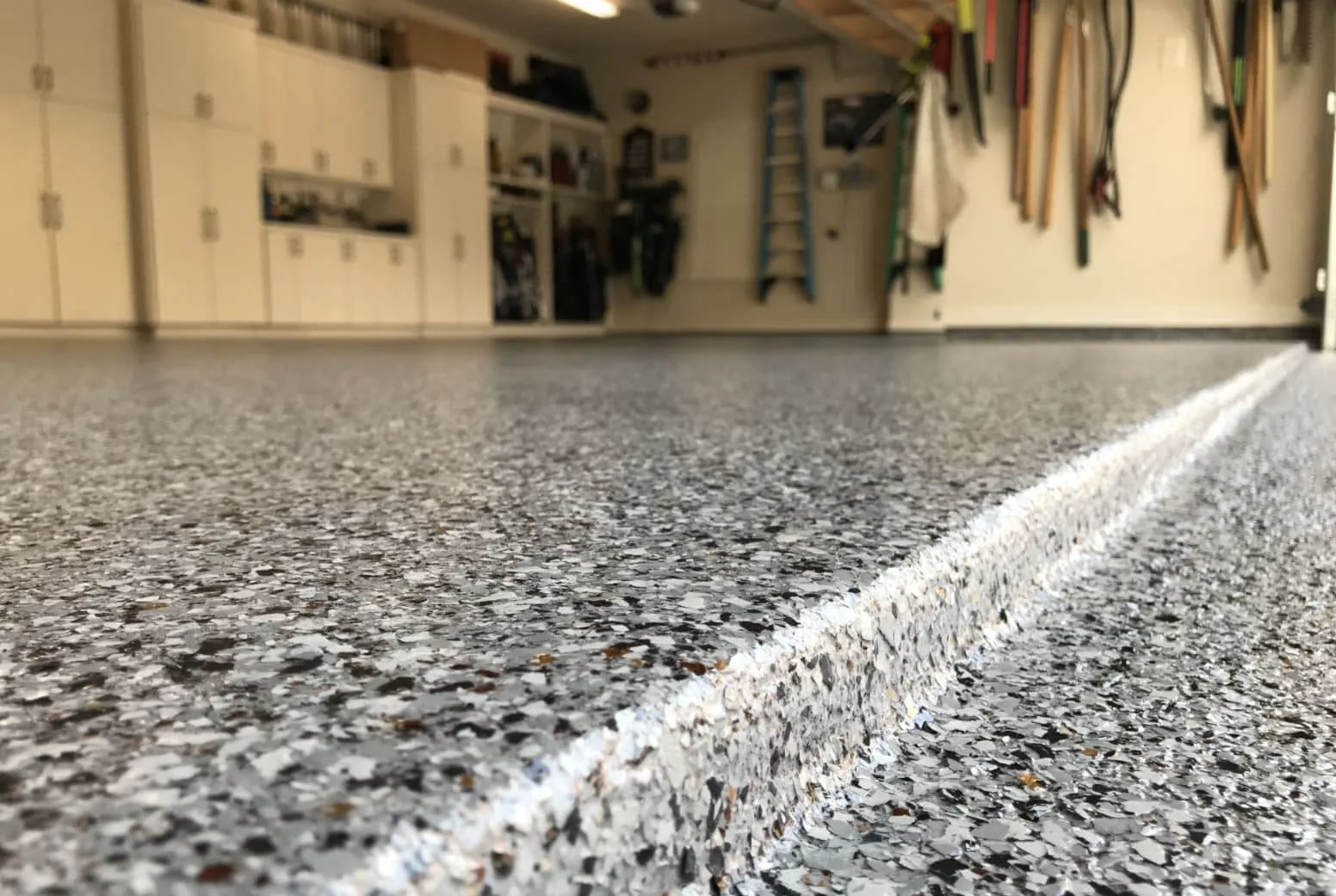
Decorative flakes, aggregate and topcoat texture can change appearance, traction and cleaning. Sunlight and chemical resistance need product-specific support. Confirm compatible finishes with physical samples.
Questions for the estimate
- Preparation method and removal of existing coatings.
- Crack, pitting and spalling repair scope, including limitations.
- Coating layers, decorative finish and traction requirements.
- Cure conditions and separate pedestrian, vehicle and chemical-exposure times.
- Cleaning instructions, exclusions and written warranty terms, if offered.
Start with garage floor planning or read the existing polyurea and epoxy comparison. Availability of a specific system must be confirmed for the project.
Share the location, approximate floor area, existing surface and preferred finish. Request an estimate to discuss the preparation and coating options for your project.