

Utah Epoxy Coatings · Updated 2026-07-08
Your driveway carries a lot of weight, literally and figuratively. It’s the welcome mat for your home or business, and it takes a daily beating from cars, weather, and those pesky oil drips. If you’re in Salt Lake City, you also have the freeze-thaw rhythm, deicing salts, and summer sun to contend with. That’s why more property owners are asking about a epoxy driveway coating. It looks sharp, feels tough, and stands up to the Wasatch’s mood swings. And you know what? When installed the right way, it keeps doing that year after year.
So, why epoxy on a driveway in Salt Lake City?
Here’s the thing: concrete is strong, but it’s not invincible. Winter hits hard here. Meltwater seeps into tiny pores, freezes overnight, and expands. That cycle repeats and turns hairline cracks into bigger ones. Add road salts and UV at our higher elevation, and plain concrete starts looking tired fast.
A professional epoxy driveway coating seals the surface, blocks moisture, resists salt, and shrugs off oil and hot-tire pickup. It gives you a tough, good-looking layer over your concrete. And unlike a simple sealer, it forms a thicker, more durable film with serious chemical resistance. If you own a small Shop, clinic, or office with a front parking pad, that same protection helps your brand look buttoned-up without babysitting stains.
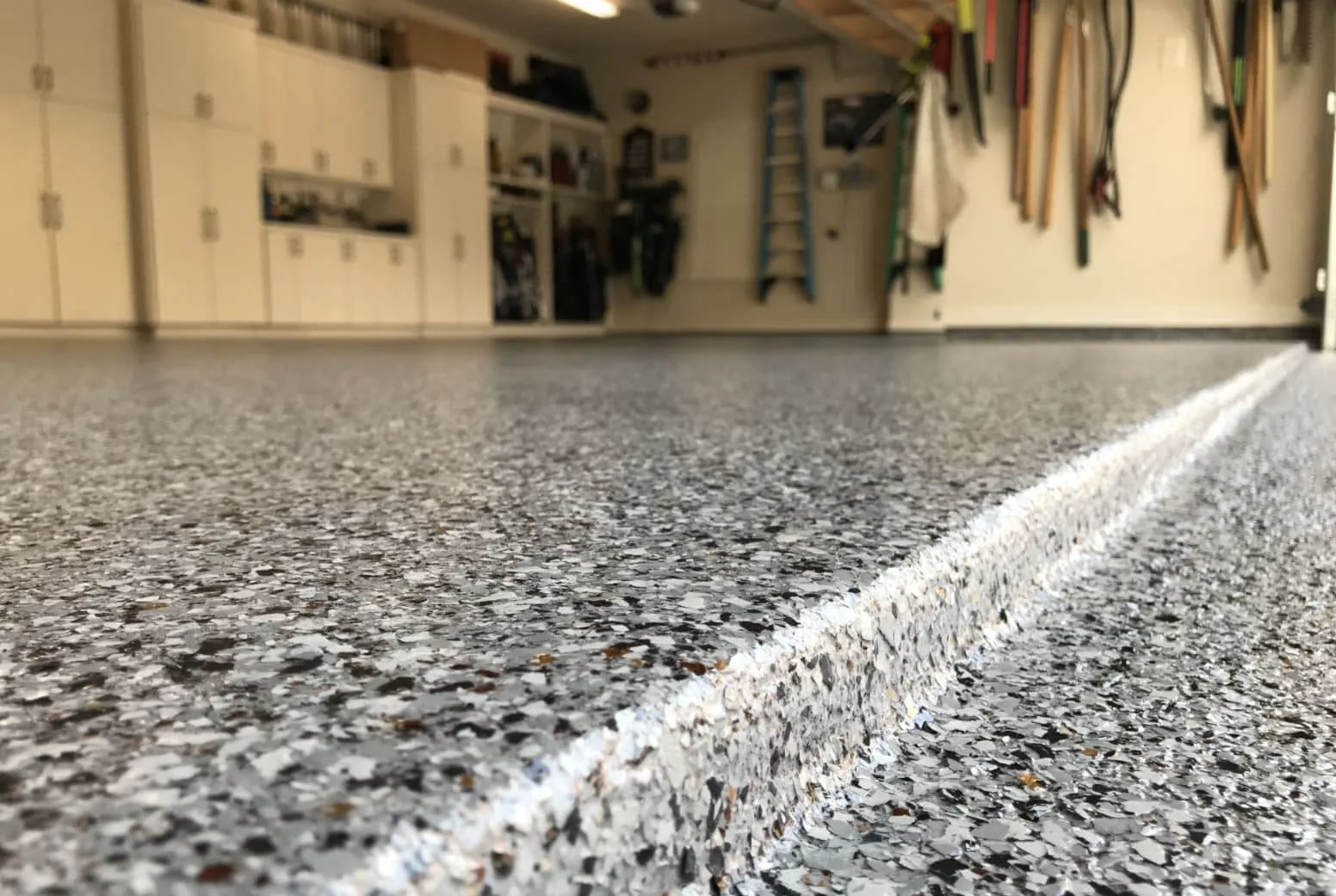
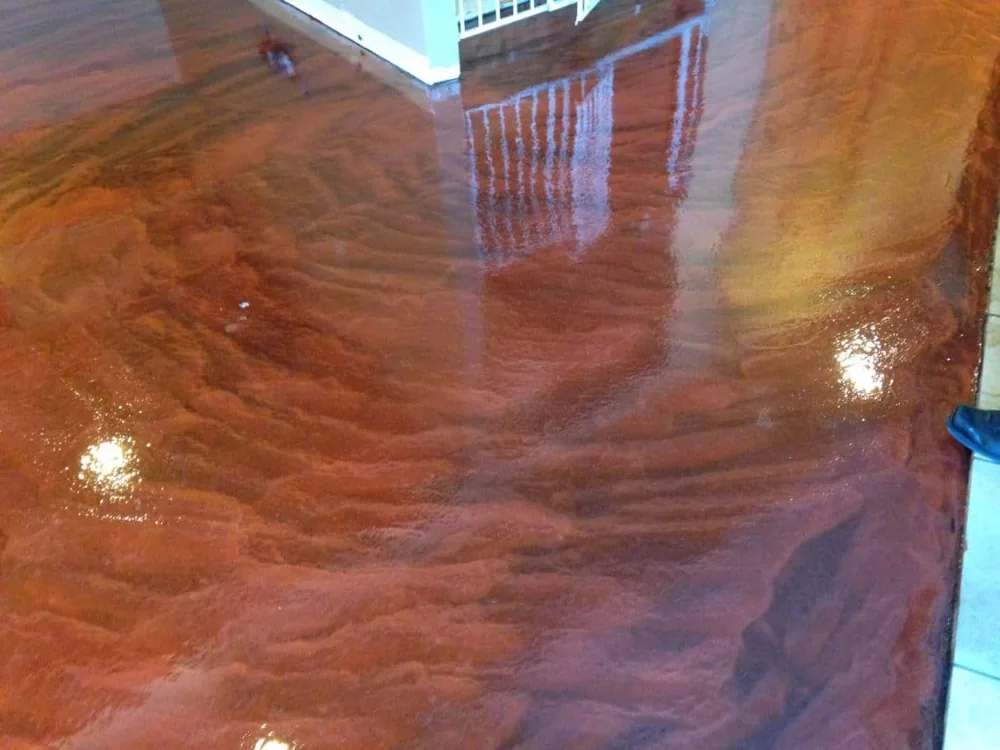
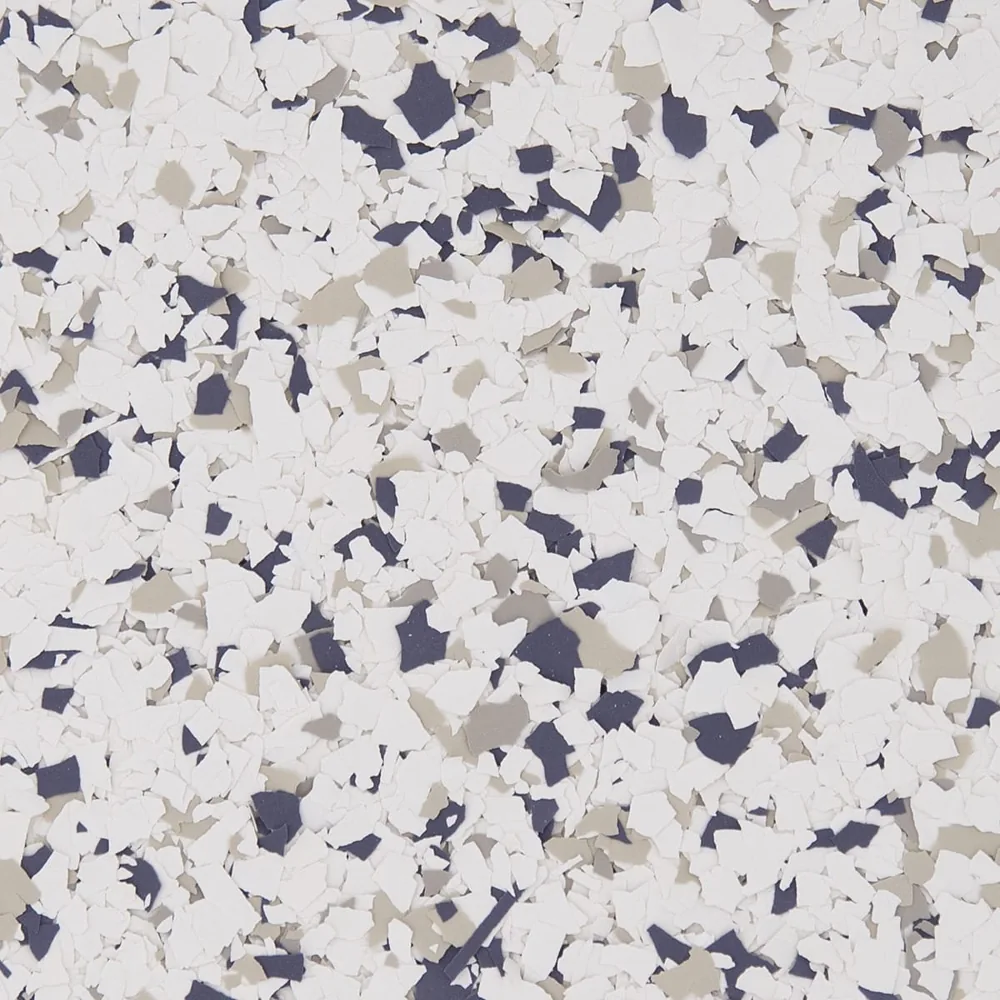
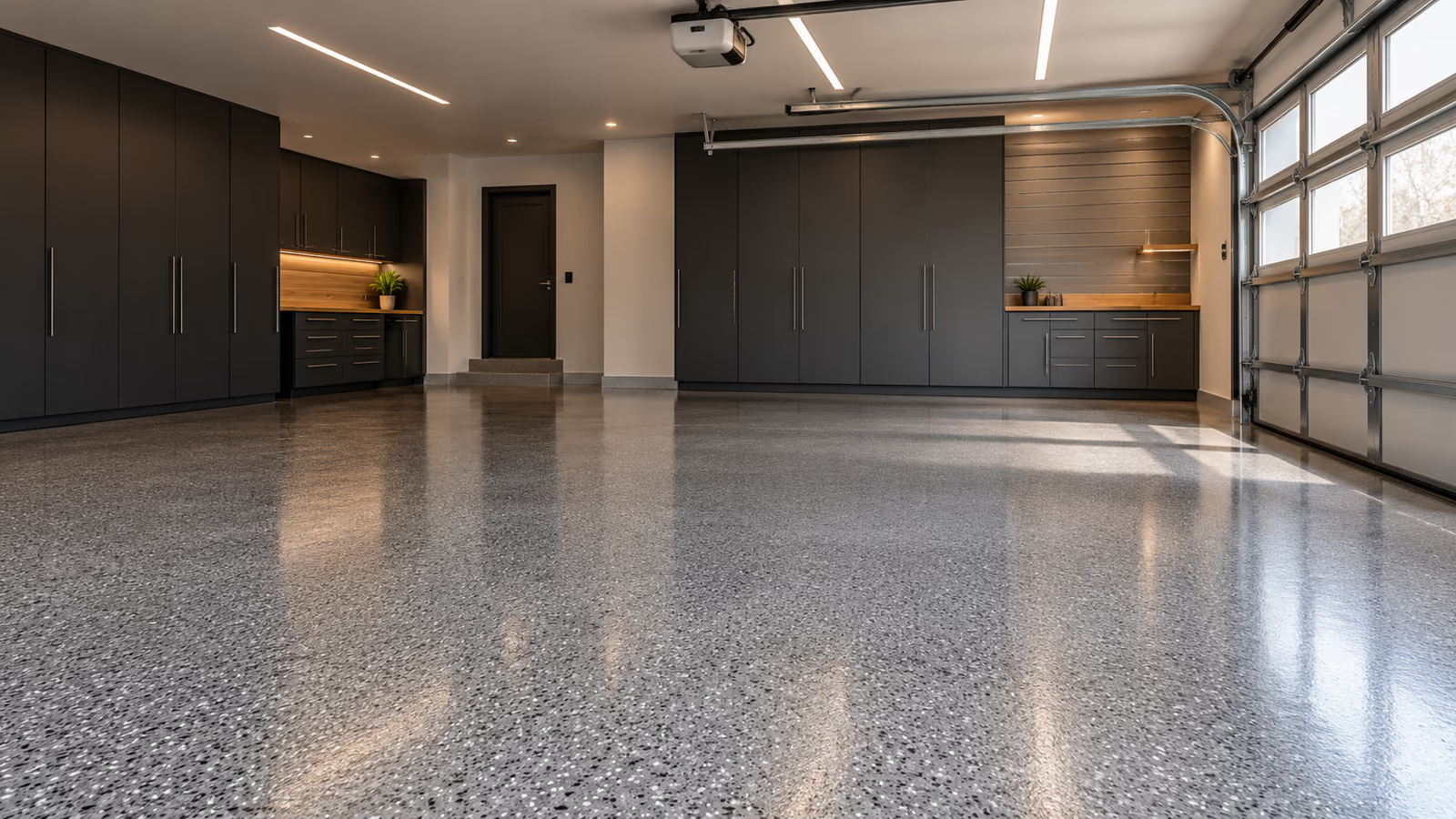
There’s also the curb appeal angle. Epoxy systems come in Solid Colors, broadcast flakes, or textured Quartz. You can go classic gray, match your home’s trim, or choose a flaked blend that hides dust and tire marks. Honestly, it’s kind of fun picking a look that feels “you.”
What epoxy does differently
Let me explain in plain terms. Epoxy is a two-component resin system that cures into a dense, hard film. Think of it like a protective shell for your slab. It’s not paint. It’s thicker, stronger, and built to last.
- Fights salt and stains. Deicing chemicals, oil, brake fluid, and fertilizer don’t stand a chance. Spills wipe up instead of soaking in.
- Handles traffic. Daily parking, turning tires, and snowblower wheels are no problem when the coating is textured and topcoated right.
- Looks clean, stays clean. Pebbled quartz or full-broadcast Flake hides dust and adds traction, while a clear topcoat keeps maintenance simple.
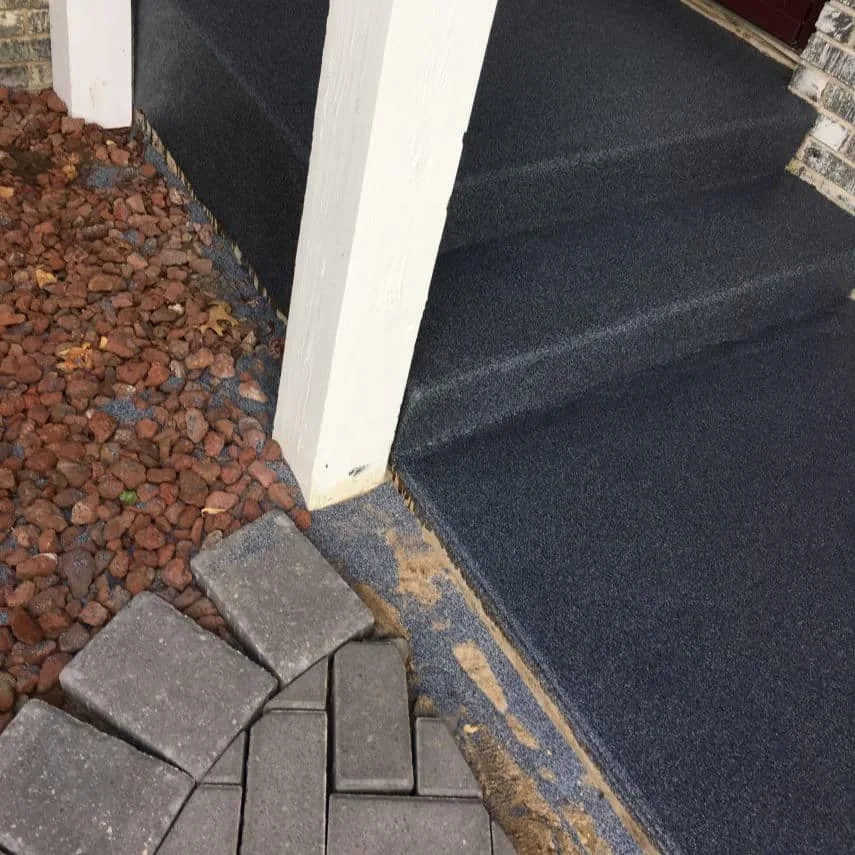
- Protects the concrete. By sealing pores and micro-cracks, the coating helps block water intrusion that can worsen freeze-thaw damage.
Those benefits matter more here because our climate swings wide. Sunny afternoon, icy night, and a bit of canyon wind? That’s a normal Tuesday along the Wasatch Front. A well-built epoxy driveway coating just handles it.
“Isn’t epoxy slippery? And doesn’t it yellow?” Let’s talk about that
Fair questions. Smooth gloss can be slippery when wet or icy. But driveway systems aren’t left slick. A contractor may add anti-slip media like aluminum oxide, silica, or polymer grit right into the coating. You choose the feel: a light texture you can walk barefoot on, or a toothy, work-truck-friendly profile. No skating rink vibes.
As for yellowing, here’s the honest bit: standard epoxy can amber under UV. That’s why we finish driveways with a UV-stable topcoat. In Salt Lake, we often use aliphatic polyaspartic or urethane. It stays clear, takes sun and snow, and resists hot tires. You get epoxy’s strength plus a UV shield on top. Problem solved.
One more reality check: epoxy is hard, not rubbery. It won’t bridge big moving cracks. We treat cracks, fill them with flexible material where needed, and we always honor expansion joints. That combo keeps the system looking right as the slab breathes with the seasons.
Epoxy vs. sealer vs. asphalt vs. pavers: quick comparisons
You’ve got choices. Here’s a simple side-by-side to keep things clear. We’re speaking in general ranges; your slab’s condition matters.
Swipe to compare →
| Surface Type | Typical Lifespan | Notes for SLC |
|---|---|---|
| Penetrating or acrylic sealer | 1–3 years | Low cost, minimal build; needs frequent re-application; limited salt/oil resistance. |
| Asphalt overlay | 8–12 years | Flexible but softer; heat and oil can mark; regular sealing needed; different look. |
| Concrete pavers | 15–25 years | Great aesthetics; joints need sand upkeep; can settle with freeze-thaw if base is weak. |
| Epoxy with UV-stable topcoat | 8–15 years | Excellent chemical resistance, big visual upgrade, manageable upkeep. |
You’ll also hear about polyurea or pure polyaspartic systems. They cure fast and handle UV well. We use them often as topcoats over epoxy. For driveways, a hybrid approach shines: moisture-tolerant epoxy primer for bond, epoxy or polyaspartic body coat for build, and an aliphatic topcoat for UV stability and scratch resistance. It’s the “belt-and-suspenders” our climate calls for.
How Utah Epoxy Coatings installs a driveway system
We keep the Process clear and tidy. You’ll always know what’s next. Here’s our typical plan for a residential driveway or a small business parking pad:
- Site check and moisture test. We inspect the slab, note drainage, take moisture readings, and map cracks and joints.
- Surface prep with diamond grinding. We open the concrete for a strong mechanical profile. Dust is controlled with HEPA vacs.
- Crack and joint treatment. We route and fill cracks, repair spalls, and honor control/expansion joints with the proper materials.
- Primer coat. For Salt Lake Valley slabs, we often use a moisture-mitigating epoxy primer to handle vapor drive.
- Build coat and texture. Depending on the design, a contractor may install 100 percent solids epoxy and broadcast flakes or quartz to refusal for even coverage.
- Scrape and clean. Once cured, we scrape excess media and vacuum for a level texture.
- UV-stable topcoat. We finish with aliphatic polyaspartic or urethane for gloss retention, UV resistance, and traction.
Traffic return varies by temperature, thickness, and topcoat chemistry. Most homes can walk on it within 12–24 hours and park in 48–72 hours. For businesses, a contractor may be able to schedule phasing to keep access open. Yes, we know which neighbors appreciate quiet hours,so we work with that.
Maintenance that actually fits real life
Good news: it’s simple. A driveway with a epoxy driveway coating doesn’t need much fuss. Here’s the short list:
- Rinse regularly. Hose off dust and road grime. A quick sweep helps too.
- Degrease as needed. Use a mild, non-caustic cleaner for oil spots. Most wipe up fast.
- Winter care. Use a plastic or poly shovel edge. Snowblowers are fine; avoid metal skids grinding on the surface.
- Salt check. Epoxy resists deicers, including magnesium chloride, but spring is a great time for a thorough rinse.
If you’ve ever sealed basic concrete before, this will feel easier. Less staining, less scrubbing, more weekend back.
Costs, timelines, and what to expect
Every slab is different, but most residential driveway systems in our area land between 6 and 12 dollars per square foot. Heavier repairs, steep slopes, or quartz-heavy systems can run higher. For small businesses with steady traffic, we’ll spec systems that balance downtime with durability and budget.
Scheduling is straightforward. We book a firm start date, watch the weather, and keep you posted. Most homes wrap in two to three days from prep to final topcoat, plus cure time. Commercial pads or multi-bay areas may need phasing to keep you open. We’ve done it often,Sugar House bungalows, Draper slopes, Bountiful offices,you name it.
When should you schedule in the Salt Lake Valley?
Spring and fall are prime. Milder temps give smooth curing and comfortable working windows. Summer works too; we just plan around midday heat and keep materials cool. Winter? Possible on warmer stretches with the right formulations, but we’ll be honest if conditions won’t deliver the quality we expect.
Concrete temp matters as much as air temp. We check both. If a cold snap swings through, we adjust. The goal is a bond that lasts, not a rush job that doesn’t.
Quick answers to the questions we hear most
Will hot tires stain or lift the coating? With our UV-stable urethane or polyaspartic topcoats, hot-tire pickup is extremely rare. Wipe marks clean with mild degreaser.
Can you make it less shiny? Yes. We can adjust the sheen from high gloss to satin and still keep it UV-stable.
What about steep driveways in Draper or Olympus Cove? A contractor may build in extra traction with a coarser grit. You’ll feel the difference on wet mornings.
Does it cover cracks? A contractor may repair and blend them. If a control joint is moving, we respect it with a flexible detail so the coating doesn’t mirror a future crack across the surface.
Does color fade? Pigmented basecoats protected by an aliphatic topcoat hold well against UV. Salt Lake’s elevation is no joke; that topcoat is your friend.
Why homeowners and businesses trust Utah Epoxy Coatings
We live and work here. We know the mag chloride film that shows up after storms. We know how dust settles after a windy day off the Great Salt Lake. Our systems are built for this valley and these seasons. That matters.
- Local expertise. A contractor may specify coatings that match Utah temperatures, UV, and freeze-thaw cycles.
- Serious prep. Bond is everything.
- Quality materials. We use trusted brands like Torginol flakes, Sherwin-Williams General Polymers, Spartacote, and Dur-A-Flex.
- Straight talk. If a spot needs drainage help or a different detail, we’ll say so before we start.
Whether it’s a quiet cul-de-sac in Holladay or a busy storefront in Murray, a professionally installed epoxy driveway coating elevates the look, shields the slab, and cuts your maintenance list in half. Okay,maybe more than half.
Ready for a driveway that looks good and works hard?
If you’re weighing the switch to a epoxy driveway coating, we’d love to walk you through options and show real samples. Call Utah Epoxy Coatings at 801-515-0892“>801-515-0892 or Request a Free Quote. We’ll check your slab, talk design, and give a clear, written plan,no guesswork, no pressure. Your driveway greets every guest; let’s make it something you’re proud of, season after season across Salt Lake City.