

Utah Epoxy Coatings · Updated 2026-07-15
Picture this: a clean, smooth Patio that shrugs off spills, laughs at Utah’s sun, and looks sharp year after year. That’s the promise of a good Epoxy Floor coating for your patio. But not all coatings behave the same,especially along the Wasatch Front. If you’re in Salt Lake City and wondering which system actually holds up to sun, snow, and backyard BBQs, you’re in the right place. Let me explain what matters, what doesn’t, and how to choose a coating you’ll still love next summer,and five summers after that.
Salt Lake Patios aren’t like everyone else’s,here’s why that matters
Our climate is a bit… spirited. High-altitude UV is stronger here. Summers cook concrete. Winters freeze it. Then there’s snowmelt, de-icing salts, and those big day-night temperature swings. Your patio sees it all. A standard indoor epoxy can yellow or chalk fast outside. Some even get slick when wet. The fix? Choose a system built for sun and temperature swings, not just for garages.
In short, the best Salt Lake City epoxy floors for patios use a couple of layers that work together: a strong base to bond to the slab, a broadcast layer for texture and looks, and a UV-stable topcoat that resists yellowing, stains, and hot tire pickup. Sounds fussy,but that stack is your difference between “pretty for a season” and “set it and forget it.”
Epoxy, polyaspartic, or something else? Plain talk on systems
Here’s the thing: the word “epoxy” gets used for lots of different chemistries. Not all are suited for outdoors. You know what? That’s where people get burned. Let’s keep it simple.
100% solids epoxy (the base muscle)
Thick, durable, great for bonding and leveling. It fills small pits and helps lock chips or Quartz in place. But on its own it’s not UV stable. Outdoors, it needs a friend on top,a good polyaspartic or aliphatic urethane.
Water-based epoxy (the gentle helper)
Lower odor, easier to apply, thinner. Often used as a primer. Not the most durable final coat for a patio, but it can help with adhesion and moisture tolerance when used right.
Polyaspartic or polyurea topcoats (the sun-resistant finish)
This is the UV bodyguard. Fast curing, cold-tolerant, and tough as nails. The sweet spot for patios is a UV-resistant polyaspartic topcoat over an epoxy base, especially with vinyl flakes or quartz for texture.
Aliphatic urethane topcoats (the classic)
Proven UV stability, good gloss retention, and abrasion resistance. Slower to cure than polyaspartic, but very reliable outdoors.
Swipe to compare →
| Solid #ddd;”>System Part | What It Does | Outdoor Fit |
|---|---|---|
| 100% Solids Epoxy | Bonds to concrete; builds film; holds chips/quartz | Great as a base; needs UV-stable topcoat |
| Water-Based Epoxy | Primer; penetrates; lower odor | Support role; not a final coat |
| Polyaspartic/Urethane | UV stability; stain/abrasion resistance | Best final coat for patios |
Brands we trust for outdoor systems include Sherwin-Williams General Polymers, LATICRETE SPARTACOTE, and Torginol for color flakes.
Three-step cheat sheet: how to choose the right patio coating
Decisions get easier when you follow a simple framework.
- Start with the concrete. Is it new or old? Cracked or pitted? Does water Pool anywhere? A good installer will check moisture (ASTM F2170 RH test is common), fix spalls, and suggest grinding or shot-blasting. If your slab is blank but dense, it still needs a mechanical profile to bond,diamond grinding around 30–40 grit usually does it.
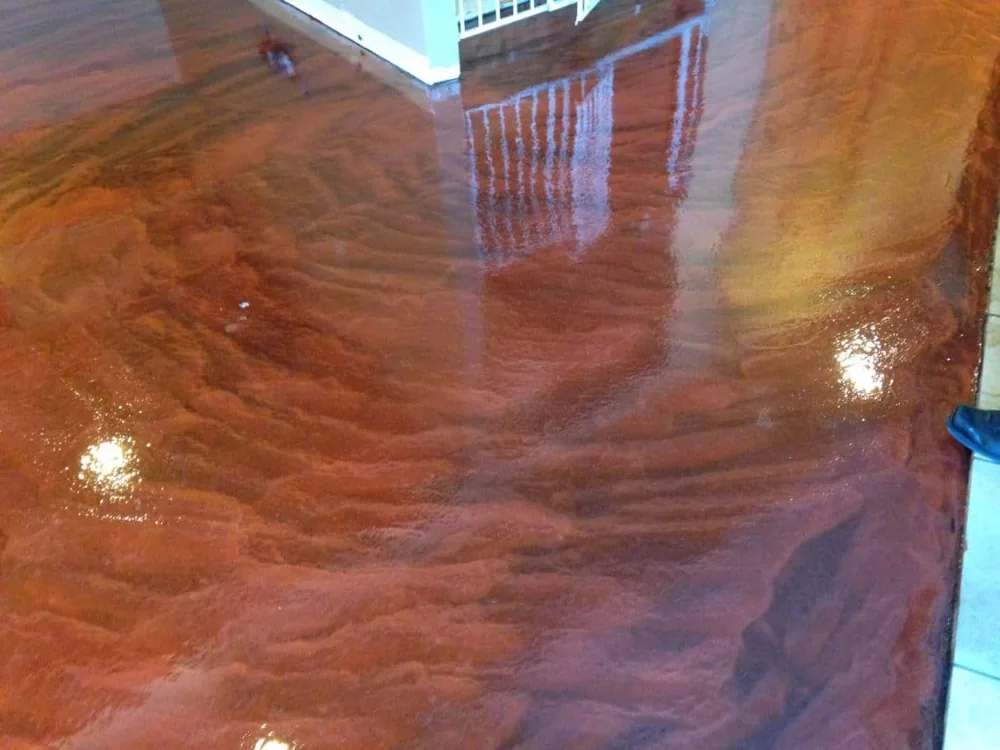
- Match the system to use. Hosting big groups, pets, and planters? Go with a full Flake broadcast and a grippy finish. Want a sleek, modern look? Consider subtle quartz with a satin UV topcoat. Avoid Metallic epoxy outdoors; it tends to fade and can get hot underfoot.
Small note that’s actually a big deal: if your patio sits on grade with landscaping, check drainage. Standing water shortens coating life,no coating wins that fight.
Texture, slip-resistance, and barefoot comfort
A patio needs traction when it’s wet, but you don’t want it to feel like sandpaper. We balance that with the right broadcast and additive.
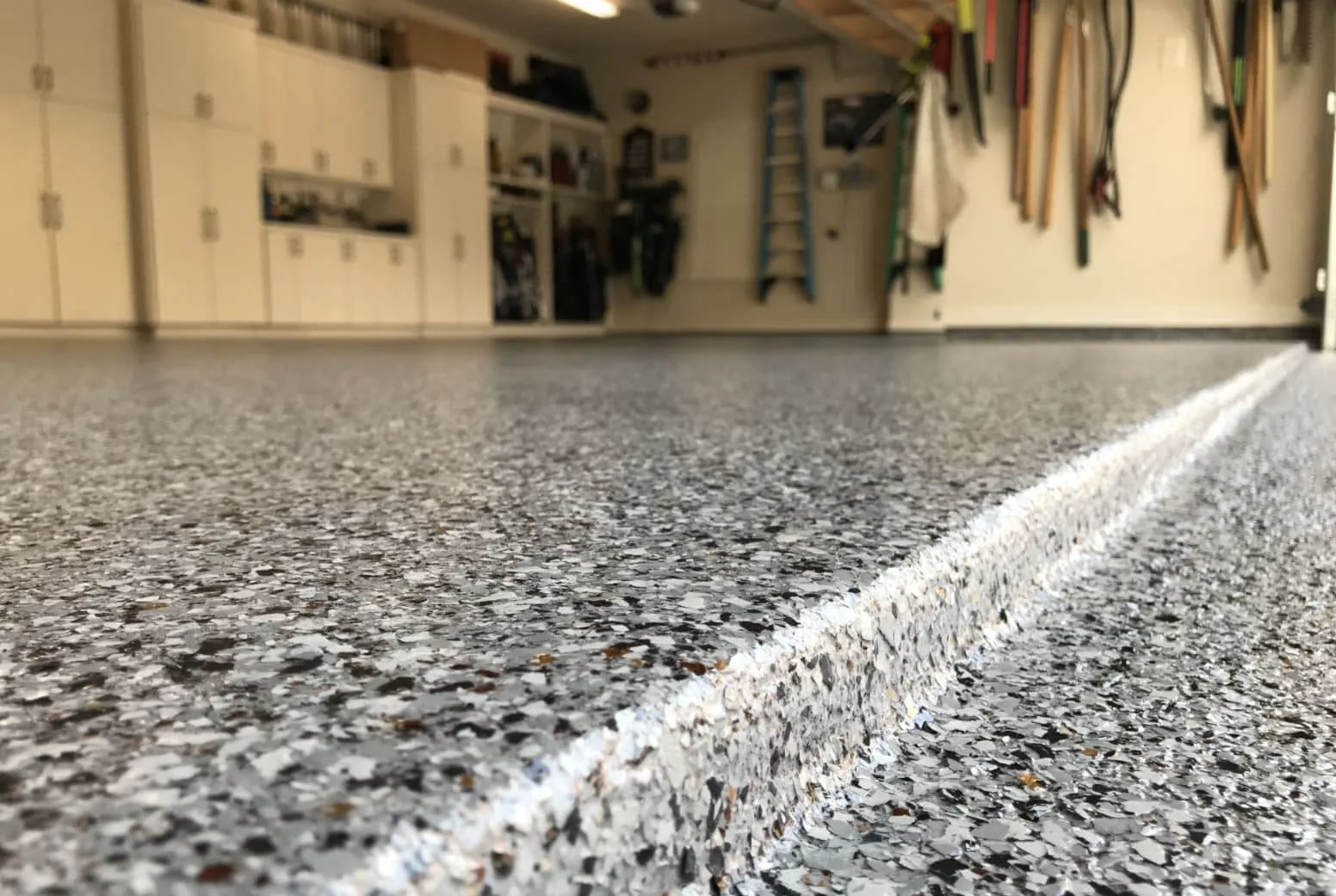
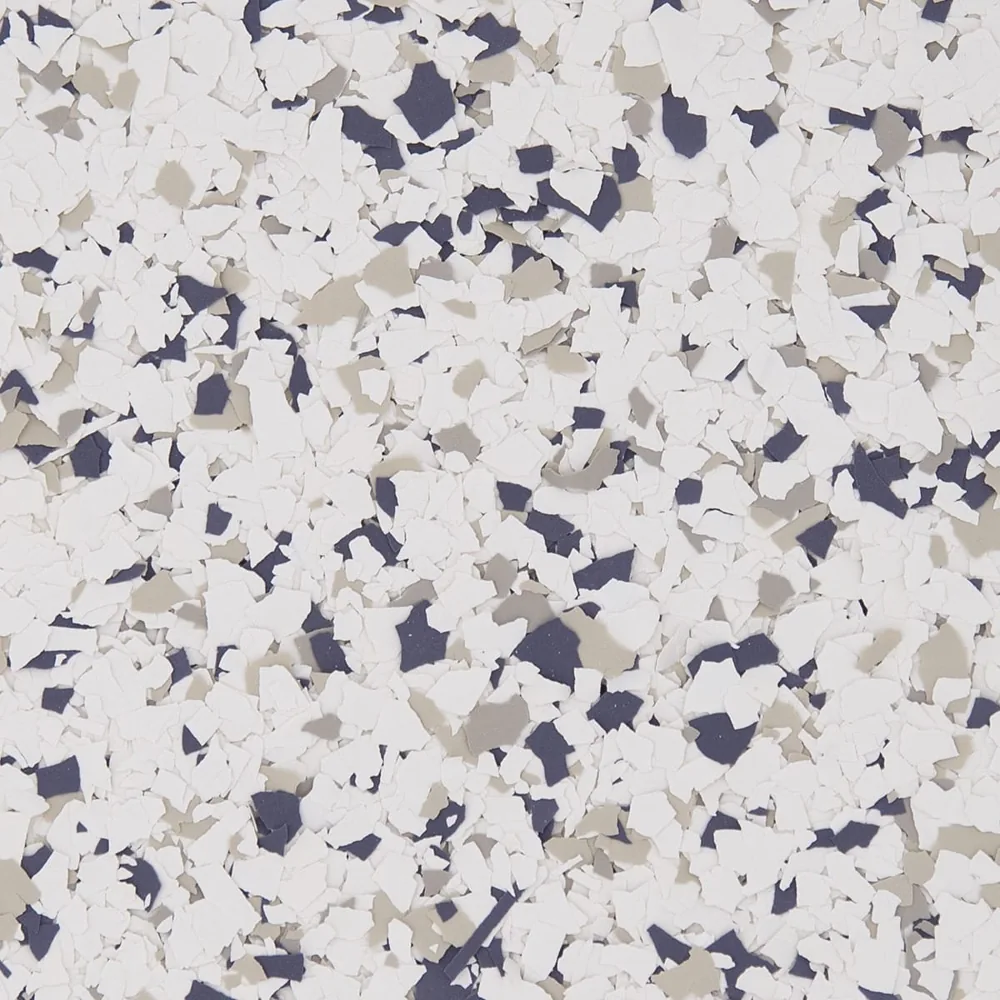
- Vinyl flake systems. Comfortable, hides dirt, great color variety. Flake density controls grip,“full broadcast” gives even coverage and a nice texture.
- Quartz broadcast. Extra tough, more bite underfoot. Ideal if you rinse often or use the space like a work zone.
- Anti-slip additives. Silica or aluminum oxide can be mixed into the topcoat. Aluminum oxide adds serious traction but feels rough; for barefoot areas we usually blend in a gentler grit or adjust the Chip size.
Honestly, the sweet spot for most patios is a full-chip system with a UV-stable topcoat and a light anti-slip mix. It’s comfortable, safe, and cleans up fast.
Color and style that work with Utah light
Light in the valley is bright and clear. Bold Colors can look even bolder. Neutrals with speckled variation are forgiving and elegant. Need ideas? These themes play well with our scenery and architecture.
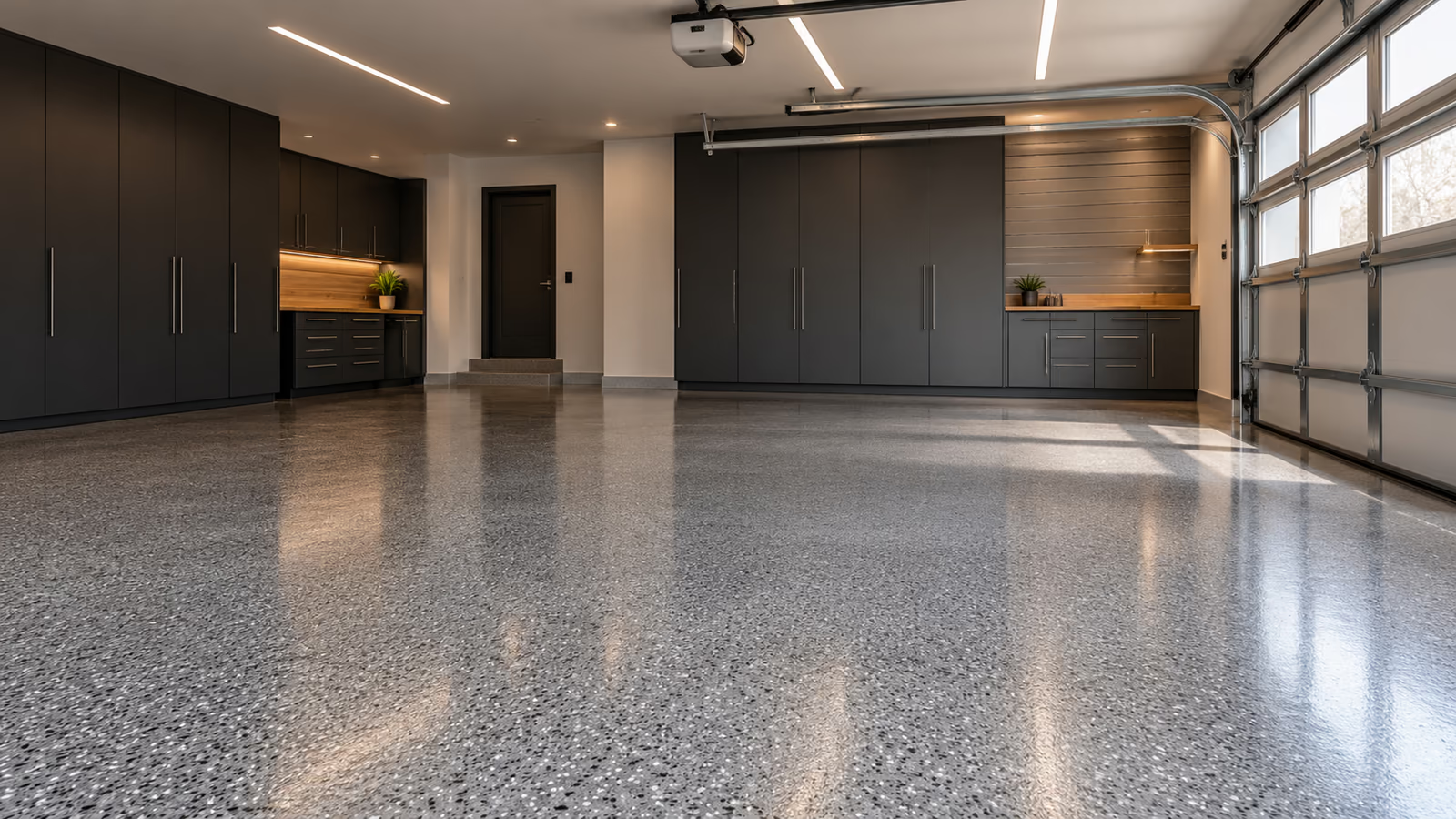
- Wasatch Granite. Gray base with black, white, and cool blue flakes,crisp, modern.
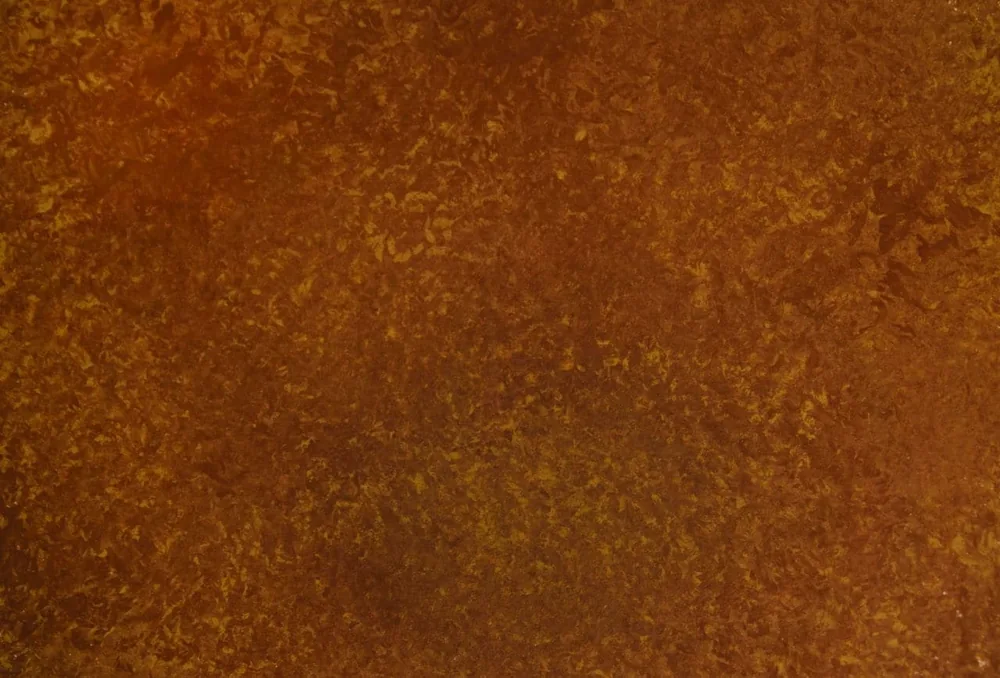
- Red Rock Warmth. Tan base with rust and charcoal accents,pairs well with stucco, brick, and xeriscaping.
- Great Salt Lake Neutrals. Soft beige and gray quartz,calm and clean without looking sterile.
- Mid-century cool. Pebble-style blends with soft greens or blues,fun without shouting.
Note: metallic epoxy creates dramatic swirls, but outdoors it can amber and chalk. For patios, flake or quartz with a UV topcoat is the long-game winner. You still get style,just with staying power.
Durability details most people miss
Two patios can look the same on day one and age very differently. Here’s what actually moves the needle.
- Moisture vapor control. Utah slabs may wick moisture seasonally. An MVT primer (think Ardex MC Rapid or Sika MB) can be the difference between bonded and bubbling.
- Real surface prep. Acid etch is rarely enough. Mechanical prep,diamond grinding or Blastrac shot-blasting,opens the concrete so the coating can bite.
- UV-stable finish. Final coats should be polyaspartic or aliphatic urethane. That’s your anti-yellowing shield.
- De-icing salts. Get a system rated to resist chloride attack. Seal the surface well and rinse after big storms when you can.
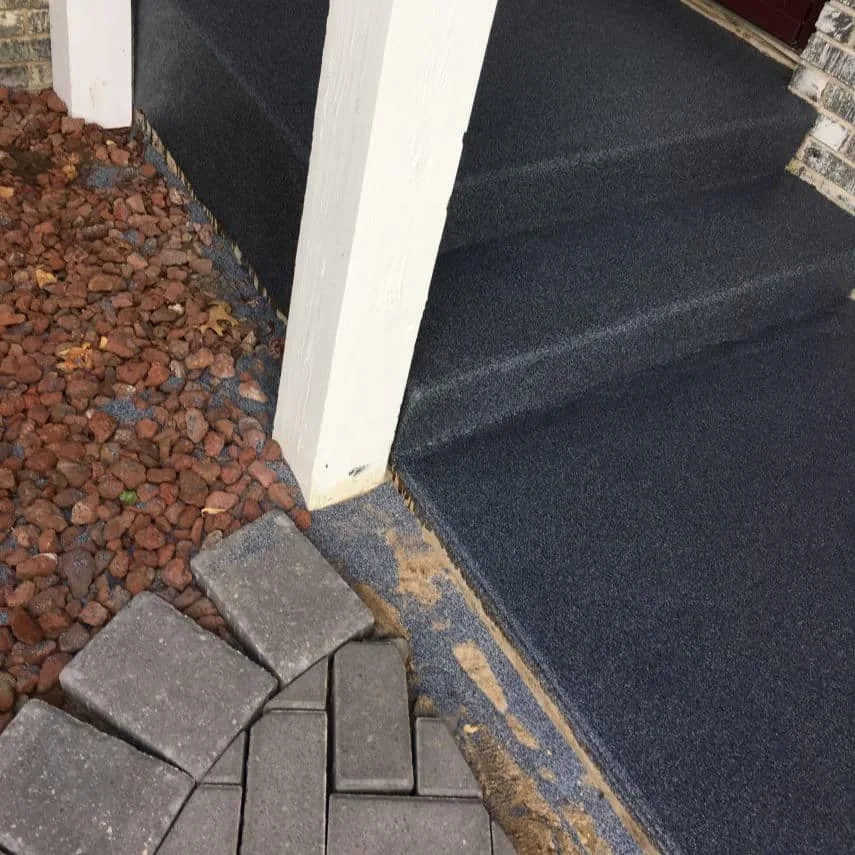
- Edges and terminations. Clean, sealed edges around posts, steps, and expansion joints prevent lifting. A tidy caulk line where needed looks sharp and keeps water out.
Quick digression that matters: outdoor rugs and planters can trap moisture. Use breathable rugs and raise pots on feet. It prevents ghosting and lets everything dry out nicely. Then back to the good part,hosting without worrying about stains.
When to install in Salt Lake City
We work year-round, but timing helps. Spring and fall offer sweet-spot temperatures,less heat, less frost risk. Polyaspartic systems can cure in cooler temps, which is handy on those shoulder-season mornings. In summer, a contractor may schedule early to beat surface heat.
What if you’re on a tight timeline? Fast-cure polyaspartic can be walkable in a few hours and fully ready in a day or two. We still watch dew point and humidity,clear nights can bring surface moisture. Those details matter, and yes, we check them.
DIY or pro? A fair take
Could you DIY a patio coating? Maybe. Should you? Sometimes. If the concrete is new and dry, and you’re comfortable running a grinder and mixing two-part products on a clock, it can work. But here’s the rub: most DIY misses happen in prep and timing,wrong profile, short pot life, or a surprise hot spot in the sun.
Pros bring HEPA vacs, proper grinders, moisture testing, and extra hands when the material starts to kick. We also back the work with a warranty. If you’re coating a high-traffic patio or you’ve got moisture questions, bring in a pro. You’ll sleep better,and your patio will, too.
What it might cost in the Salt Lake area
Every slab is different, so consider this ballpark. Prep, repairs, access, and size move the number. But this helps plan.
Swipe to compare →
| System | Typical Installed Range/Sq Ft | Best For |
|---|---|---|
| Epoxy base + flake + urethane topcoat | $7–$10 | Balanced budget and UV stability |
| Epoxy base + full flake + polyaspartic topcoat | $8–$12 | Fast return to service; top UV resistance |
| Quartz broadcast + polyaspartic topcoat | $9–$14 | Extra traction, heavy use, rinse-down patios |
Larger patios and simpler access can bring costs down. Complex repairs or moisture mitigation add a bit. We’ll spell it out so there are no surprises.
Maintenance you’ll actually do
Good news: it’s easy. A few simple habits keep your patio looking sharp.
- Broom or blow weekly. Grit is sandpaper. Keep it off and the gloss lasts.
- Rinse and mild soap. Skip harsh solvents. pH-neutral cleaner does the job.
- Use furniture pads. We love the scrape of a chair leg,except on coatings. Pads help.
- Mind the mats. Breathable outdoor rugs; lift planters with feet or risers.
Quick answers to common questions
Will it get slippery when wet? A contractor may build in texture with flakes or quartz and add a light anti-slip. You’ll feel secure, not scratchy.
Can it handle snow and de-icing salts? Yes,when you choose the right topcoat and rinse now and then. We also recommend sealing edges well.
How long does installation take? Most patios finish in 1–2 days. Polyaspartic systems are faster; walkable the same day in many cases.
Will it yellow? Not with a quality UV-stable topcoat. Cheaper Finishes can amber outside; that’s why we spec polyaspartic or aliphatic urethane.
What about cracks? We route and fill them, then blend the texture so they virtually disappear. Structural movement can show later, but we’ll set expectations and choose flexible details where needed.
Why Utah Epoxy Coatings?
We’re local. We know Sugar House patios with leafy shade and South Jordan decks that roast mid-July. We prep the slab right, spec the chemistry for UV and freeze-thaw, and stand behind the work. It’s not magic,just careful steps and good materials.
We’ll bring samples to your site so you can see colors in your actual light. We’ll also check drainage and moisture, because pretty only matters if it sticks.
Ready to love your patio every season?
If you want a patio epoxy coating in Salt Lake City that looks great and lasts, let’s chat. Call us at 801-515-0892 or tap below to start your project. We’ll assess your slab, bring color ideas that fit your home, and give you a clear, written proposal,no guesswork.
Utah Epoxy Coatings,clean prep, smart chemistry, and a patio you’ll actually enjoy. Every season.