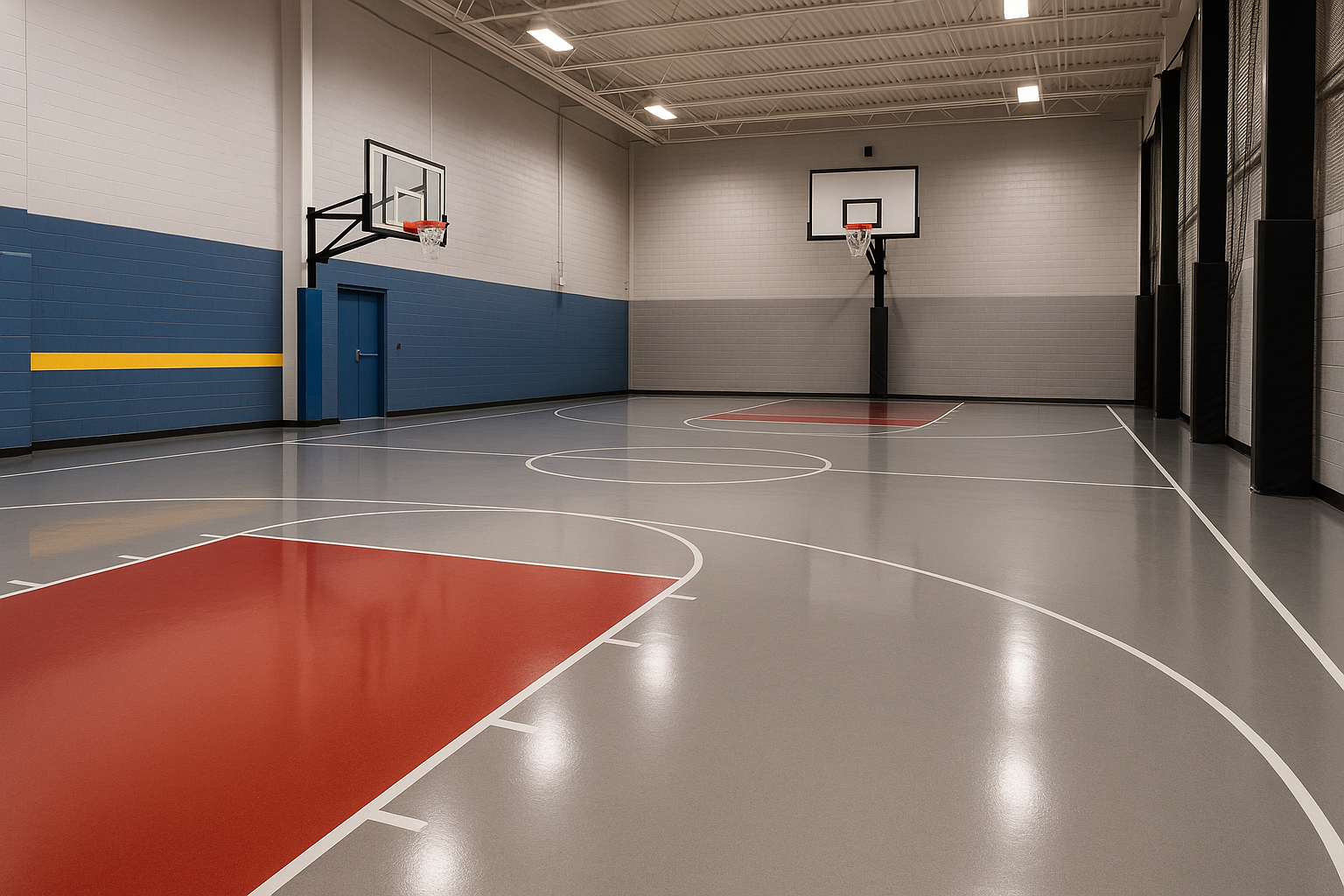
You can feel it the second you walk into a gym or rec center. The floor either sets the tone or spoils it. In a place like Salt Lake City—where snow, salt, heat, and high-traffic seasons all collide—your surface has to be tougher, safer, and easier to clean than a “standard” floor. That’s exactly where Epoxy Floor coatings can elevate your sports facility, whether it’s a school gym, a community rec center, a training studio, or your own home court.
Why the floor matters more than people think
A great sports floor does three things at once. It protects athletes. It makes your space look sharp. And it stays ready, day after day, without a lot of fuss. If one of those falls short, you notice. So do your players, parents, and members.
Here’s the thing: the right sports facility flooring helps speed, confidence, and mood. Clean traction means safer cuts in a pickleball league. A bright finish makes a small gym feel bigger. A tough coating saves you from constant repairs. You know what? It even helps your staff because daily cleaning becomes quick and predictable.
What is an epoxy floor coating, really?
Let me explain in plain terms. Epoxy is a two-part liquid system. When the resin meets a hardener, it bonds to concrete and cures into a rock-Solid, seamless layer. We can leave it smooth and glossy. We can add chips or Quartz for texture. We can finish with a UV-stable urethane topcoat for extra scratch resistance and color hold.
It’s not paint. It’s thicker, stronger, and seamless, which means it keeps grime and sweat out of the concrete. And when we tailor the system—like adding silica for slip resistance—the floor becomes a purpose-built surface for real sport.
Benefits that matter on game day (and every other day)
– Safer traction: Micro-texture reduces slips without feeling like sandpaper. Great for locker rooms, weight areas, and entryways when snow melt comes through the door.
– Impact resistance: Epoxy systems handle dropped plates and steady cart traffic. For heavy weights, quartz broadcast and thicker builds hold up.
– Easier cleaning: Seamless surfaces don’t trap sweat or chalk. Daily scrub with a neutral cleaner, and you’re good.
– Chemical and stain resistance: Sweat, sports drinks, disinfectants, and salt won’t eat the finish.
– Brighter space: Glossy topcoats reflect light, which can cut your lighting needs. If you’ve upgraded to LEDs, even better—your floor will amplify that light.
– Design freedom: Team Colors, zones, arrows, and logos can be built right in.
– Long service life: With proper prep and a smart topcoat, you’re looking at years of reliable use. When it’s time, a fresh topcoat brings it back.
Epoxy is hard, sure. Yet it can feel forgiving underfoot when paired with the right urethane finish and texture. Sounds like a contradiction, but athletes notice the difference.
Where epoxy shines in a sports facility
Not every surface should be epoxy. Maple courts need to be maple courts. That said, many zones in a facility are perfect for epoxy floor coatings because they take a beating and need to stay clean.
– Lobbies and check-in: A crisp, bright finish creates a strong first impression.
– Weight rooms and functional training: Quartz systems with extra build resist dings and scuffs from kettlebells and sleds.
– Locker rooms and showers: Seamless floors with coved base keep water away from wall joints and reduce mildew.
– Hallways and storage: Smooth, durable, safe, and easy to maintain.
– Indoor tracks and multi-use zones: Balanced traction and clear lines guide foot traffic.
– Snack bars and concessions: Easy to sanitize and stain resistant.
For basketball and volleyball, epoxy often makes sense around the court and in adjacent rooms. For skating rinks and climbing gyms, it works great in the common paths and gear areas. It’s the Swiss Army knife of facility surfaces.
Salt Lake City conditions: snow, salt, sun, repeat
Our local climate is a weird combo. We’ve got winter storms on Monday and spotless blue skies on Tuesday. Summer heat bakes surfaces. And there’s the constant shuffle of salt and sand from parking lots off 700 East or State Street.
A proper system in Salt Lake City should consider:
– Salt and deicers: Topcoats that shrug off white salt rings and staining.
– UV exposure: High altitude means stronger sun. We use UV-stable urethane topcoats to protect color and gloss in areas with lots of windows.
– Moisture in slabs: Snow melt can drive moisture into concrete. We test and, if needed, apply a moisture vapor barrier primer so the coating isn’t pushed off from below.
– Thermal swings: Doors open, cold air hits warm floors, and vice versa. Flexible, high-solids systems respond without cracking.
In short, local know-how matters. The floor has to handle our specific mix of altitude, sun, grit, and snow.
Design that plays: color, logos, and wayfinding
Sports spaces tell a story. Colors carry pride and shape behavior. With epoxy, you get a big box of crayons.
– Team branding: Match school or club colors. We can inlay stripes, borders, and circles that won’t peel like tape.
– Wayfinding: Arrows to locker rooms, lanes around cardio zones, even “quiet” color blocks near therapy areas.
– Texture mapping: Use more texture at wet entries and less in dry, high-speed zones.
– Specialty looks: Flake systems for a clean, speckled style. Quartz for high traction. Metallic for lobbies when you want a showpiece.
Bonus: that glossy reflectivity brightens the room, which lifts energy. A good floor sets the mood before the warm-up even starts.
Lifespan and cost: what the numbers look like
Initial cost matters. Lifetime cost matters more. With epoxy, you’re buying fewer headaches and longer intervals between big repairs. Typical systems last many seasons with steady use. In a school or public rec setting, we often see a simple re-topcoat stretch service life without replacing the build underneath.
Fast-cure polyaspartic topcoats can speed return-to-service. That means less downtime for leagues or classes. A Friday night install can be playable again after the weekend, depending on the system and the temperature.
Cleaning and care: simple and consistent
Daily cleaning should be boring—in a good way. Epoxy makes it so.
– Dust mop or vacuum grit, especially after snowy days.
– Auto-scrub or mop with a neutral pH cleaner.
– Rinse, then let it dry. Done.
For sanitizing, most epoxy floor coatings and urethanes handle common EPA-registered disinfectants. Avoid harsh acids or untested solvents. If traction builds up with residue, a quick deep clean restores the micro-texture. No waxing. No grout lines. No mystery stains.
Safety and standards: confidence underfoot
Safety is non-negotiable. We design systems that meet or exceed recommended coefficient of friction ranges for the space. Wet locker rooms need more bite than a yoga studio. Entryways take on salt and slush, so they get extra texture. If you have drains, we slope and tie in with a sanitary cove base, so water has nowhere to hide.
Do you need antimicrobial properties? We can add topcoats with antimicrobial technology. Concerned about thermal shock near cold storage or ice machines? We choose resins that handle sudden temperature swings. Even specialty needs like ESD for tech training rooms can be addressed—rare in sports, but not unheard of in multi-use campuses.
How epoxy compares to other common surfaces
| Area | Epoxy Advantage | Considerations |
|---|---|---|
| Weight Rooms | High build; quartz texture; handles sleds and racks | Add pads under platforms for deadlifts to quiet impact |
| Locker Rooms | Seamless, coved, easy to sanitize | Choose extra traction and a matte urethane for wet areas |
| Lobbies | Bright, branded, durable | Use UV-stable topcoats near big windows |
Polished concrete looks sleek but can be slick when wet and needs densifying and burnishing. Rubber rolls are soft but can trap grime at seams. VCT is budget-friendly upfront but asks for waxing, stripping, and frequent replacement. Epoxy threads the needle: tough, seamless, and customizable.
Installation playbook: what to expect
A good floor starts with prep. No skipping steps. Here’s our typical Process at Utah Epoxy Coatings:
– Moisture testing: We check the slab for vapor pressure. If it’s high, we use a moisture vapor barrier primer.
– Mechanical prep: Shot-blasting or diamond grinding opens the concrete so the coating bonds deep.
– Repairs: We fill cracks, key in joints, and fix spalls so the finish looks clean and stays that way.
– Primer and body coats: High-solids epoxies build strength.
– Texture: Flakes or quartz broadcast for style and traction.
– Grout and topcoat: Urethane or polyaspartic seals it tight and resists abrasion.
We plan around your schedule—nights, weekends, school breaks—and set realistic cure times. Low-odor systems help keep neighbors and side businesses happy. And yes, we coordinate with your athletic director or facility manager so nothing surprises you.
Home gyms and rec rooms: small space, big upgrade
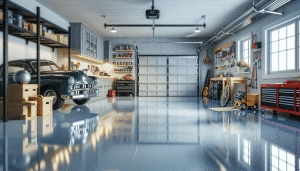
You don’t need a 50,000-square-foot arena to enjoy a pro-level surface. A Garage gym or basement training space in Sugar House or Daybreak can benefit from the same epoxy floor coatings built for heavy use.
– Heavy racks and sleds: High-build, quartz systems handle the grind.
– Sweat and chalk: Clean-up is quick; no musty carpet or cracked tile.
– Hot tires in garages: The right topcoat resists pickup.
– Style: Team colors, simple flakes, or a sleek solid. Your call.
If speed matters, polyaspartic can deliver one-day systems in many garages, depending on conditions. It’s a fast way to turn a cold slab into a real training zone.
Common questions we hear
Will it be slippery when wet?
We tune traction with additive size and loading. Locker rooms get more texture. Courtside corridors get balanced grip. You’ll feel safe, not stuck.
How long until we can use the floor?
Typical epoxies cure enough for light foot traffic within 24 hours. Full service can range 48–96 hours. Fast-cure topcoats shorten that window.
Can you match our team colors and add a logo?
Yes. We match colors, build zones, and inlay logos or lettering as part of the system.
Will it yellow in sunlight?
Standard epoxy can amber. That’s why we finish with a UV-stable urethane topcoat in bright, windowed areas.
What about summer humidity or winter melt?
We test moisture, use the right primer, and build a system that holds up across seasons on the Wasatch Front.
Why choose Utah Epoxy Coatings
We live and work here, so we build floors for our weather, our schedules, and our sports culture. Our crews use pro-grade grinders and shot blasters, trusted resins, and topcoats known for abrasion resistance and color hold. We prep like we mean it, because prep decides everything.
Expect clear communication, clean job sites, and a plan that respects your games, classes, and events. From small training studios to multi-gym rec centers, we’ve helped facilities across the Wasatch Front look sharper and run smoother with smart, durable coatings.
Ready to level up your facility?
If you’re juggling schedules, budgets, and safety, we can help you land a floor that checks every box. Let’s talk textures, cure times, and your game calendar—so the work fits your season, not the other way around.
Call Utah Epoxy Coatings at 801-515-0892 or click Request a Free Quote to get started. We’ll assess your space, suggest the right system, and map a clean, fast install that keeps your teams moving.