


Utah Epoxy Coatings · Updated 2026-05-13
The best dance floors don’t shout. They coach. They whisper balance cues to ankles, feed clean sound back to ears, and keep sweat from becoming a slip. That’s where a thoughtful Epoxy Floor coating can help a studio perform better,yes, perform,day after day. At Utah Epoxy Coatings here in Salt Lake City, a contractor may build floors that look stunning and feel right underfoot, whether it’s a professional studio, a school stage, or a home practice room that doubles as a gym.
The floor is a silent coach: why surface matters more than you think
A dancer trusts the floor more than the mirror. If the surface glides too much, technique wobbles. If it grabs too hard, knees complain. The sweet spot sits in between, and a tuned epoxy flooring system can hold that line with surprising consistency, even when the room warms up or a long class leaves sweat on the ground.
Here’s the thing: performance isn’t just about artistry. It’s about predictable friction, even lighting, clean boundaries, and a space that stays dialed in from the first warm-up to the last rehearsal. A high-quality epoxy system provides a hard-wearing, nonporous surface that’s easy to set, easy to read, and easy to clean,so your dancers spend less time adjusting and more time dancing.
Grip without the grab: traction tuned for every style
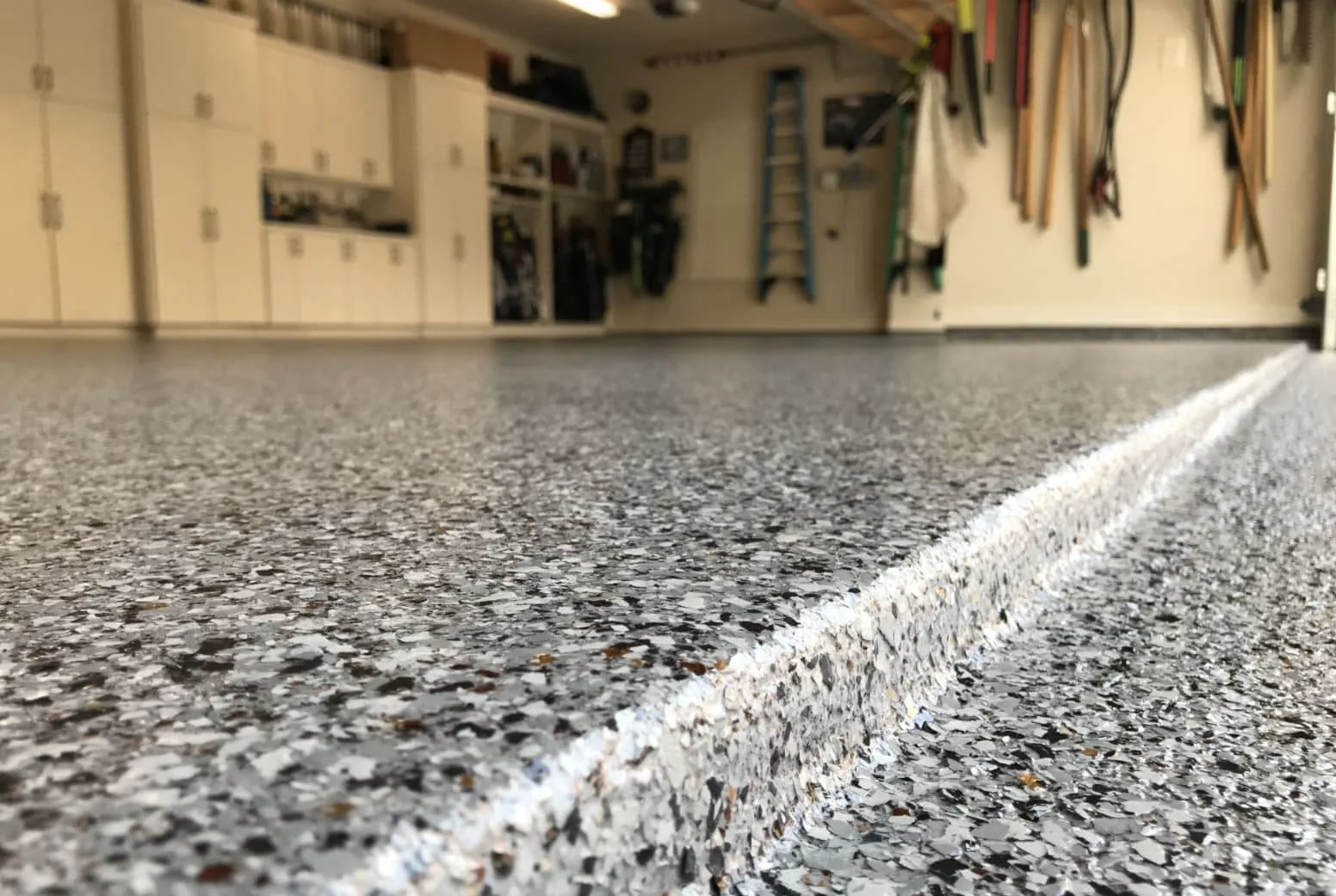
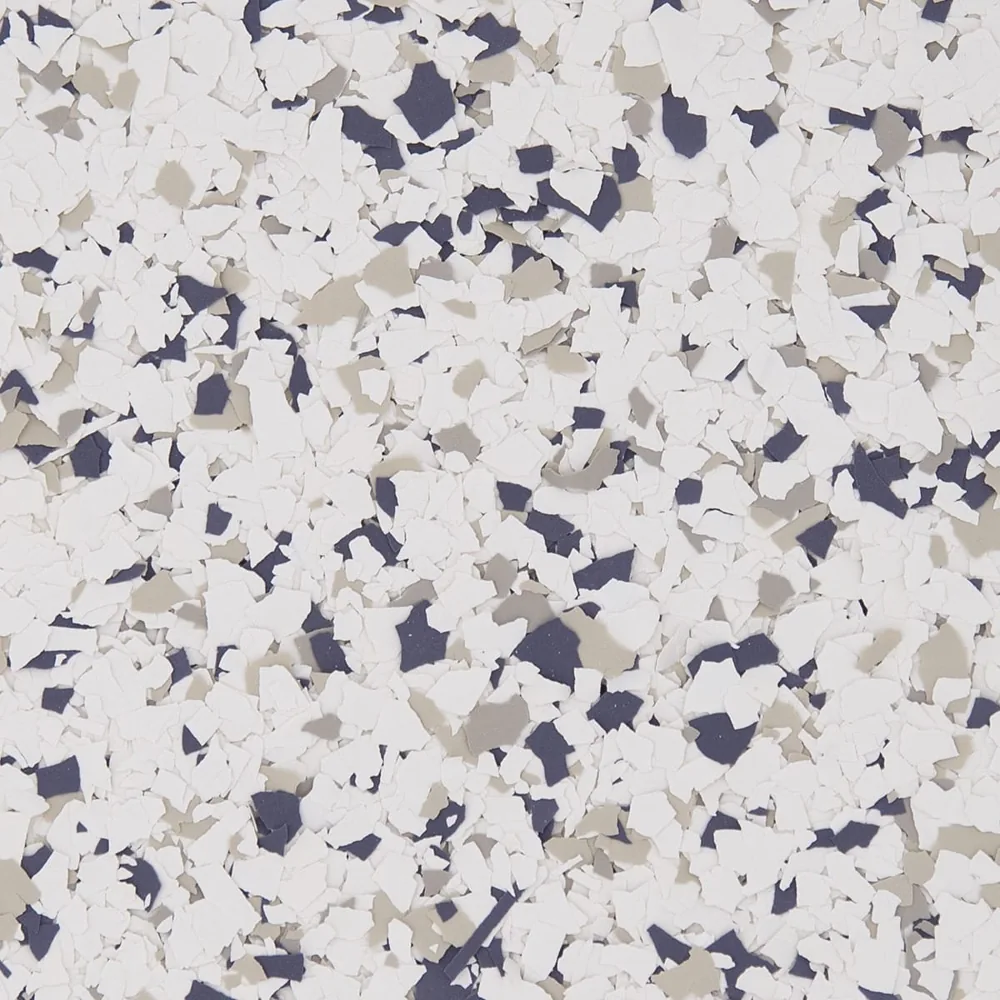
“Isn’t epoxy slippery?” It can be, or it can be steady and secure. We tune traction using fine media,think polymer beads or ultra-fine Quartz,locked under a satin urethane topcoat. The result: glide when you want it, bite when you need it.
For most studio work, we target a coefficient of friction in the 0.55 to 0.65 range under ASTM testing. That puts you in a safe, confident zone for jazz, modern, hip-hop, and conditioning classes. For tap or clogging, we adjust media and finish to keep percussive clarity without sacrificing control. For ballet over a Marley overlay, the epoxy underneath stays smooth and level, acting as a stable base that doesn’t telegraph bumps.
- Consistent traction: Micro-textures that don’t snag pivots but steady landings.
- Sweat-ready safety: Nonporous surface plus tuned topcoat helps maintain grip when the room heats up.
- Style-specific choices: From soft-satin to semi-gloss, we balance look and feel to match the work.
Cushion where you need it: isn’t epoxy too hard?
Short answer: yes,if it’s bare concrete with a shiny coat. Long answer: not when you build the system the right way. We often pair epoxy floor coating with rubber underlayment, a sprung subfloor, or an elastomeric urethane layer that provides measurable give. Think of epoxy as the durable skin over a tuned muscle-and-bone structure.
For classical work and high-impact choreography, we recommend layered assemblies such as rubber underlayment over concrete, then epoxy self-leveler, then a satin urethane finish. You get a clean, seamless surface that resists rosin and scuffs while still offering shock comfort. For studios emphasizing tap or percussive styles, a firmer stack-up keeps the sound bright and articulate. Two paths, same idea: the floor supports bodies and the art they make.
Honestly, we’ll never push a one-size-fits-all answer. We talk to directors and instructors. We watch what your space hosts most: ballet, modern, hip-hop conditioning, preschool creative movement, even cross-training. Then a contractor may build the floor for your calendar, not just for a catalog.
Light, sight, and lines: seeing counts when you’re counting beats
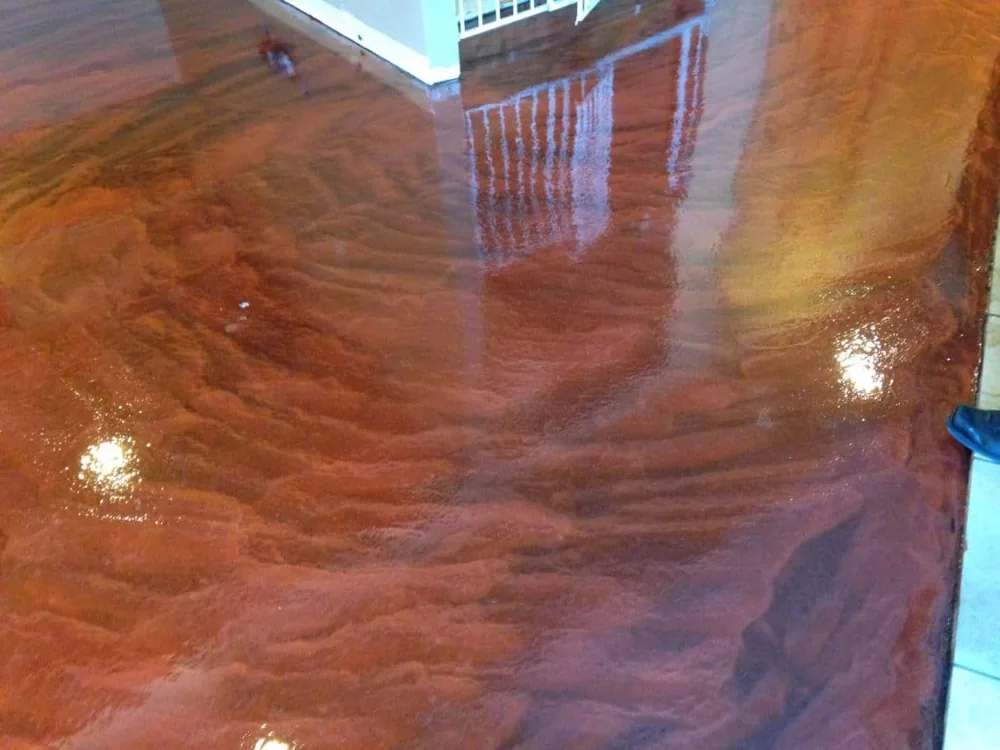
Room brightness matters. High-reflectance epoxy, toned to a neutral gray or warm stone, bounces light evenly so teachers see foot placement, spacing, and expression with less glare and fewer shadows. Prefer a moody black-box vibe? We’ll use a satin, low-gloss finish to prevent mirror flare while keeping the surface crisp and visible.
We also install embedded lines and subtle markers for spacing and blocking. Logos and graphics can go under the clear topcoat,protected from foot traffic yet visible for branding, recital prep, or stagecraft classes. Clean edges make clean work, and a well-lit floor makes technique easier to judge.
Sound that carries the story (without the echo)
Flooring helps shape the room’s voice. A well-built epoxy system over a firm substrate keeps taps snappy and articulate, so rhythms land and teaching cues carry. Worried about echo? That’s mostly a wall-and-ceiling job. We can coordinate with acoustic panels and curtains to tame reverb while preserving the rhythmic clarity dancers need.
You know what? Even non-tap classes benefit from honest sound. Squeaks and dead spots distract. A level, seamless floor keeps the space sonically even from corner to corner, so music and footwork feel the same in every square foot.
Built for Salt Lake City life: snow, salt, dust
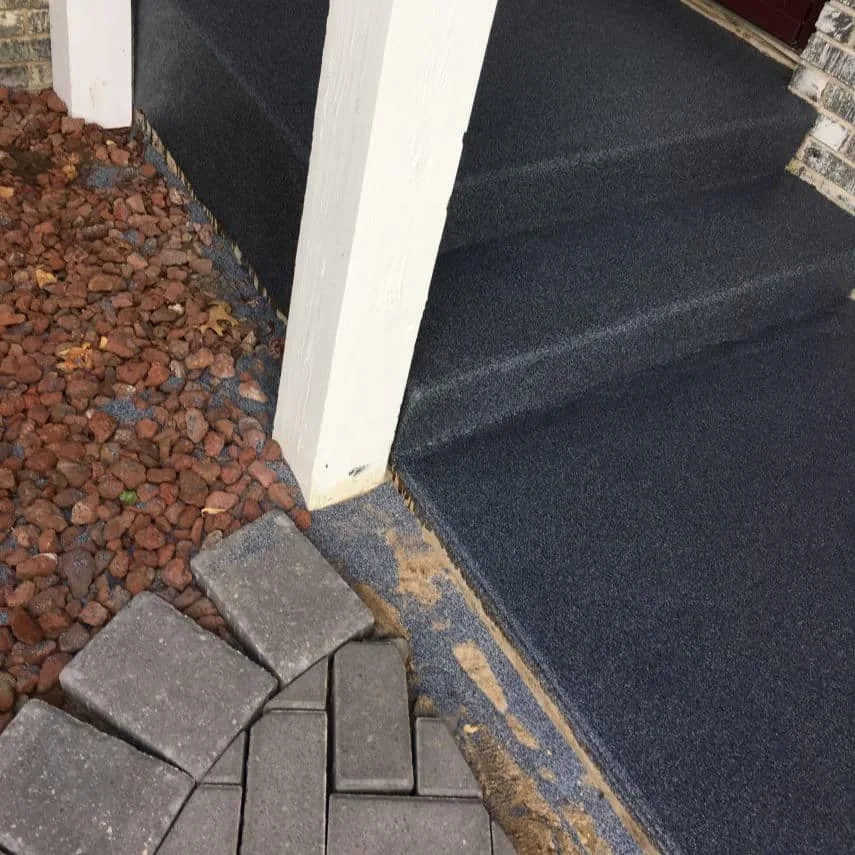
Along the Wasatch Front, seasons keep you guessing. Snowmelt at the entry, road salt in January, fine dust in July,your floor sees it all. Our Salt Lake City epoxy floors are designed for local stress. We include salt-resistant topcoats near doors, add walk-off zones that clean fast, and specify UV-stable Finishes for studios with big south-facing windows. When the sun floods your space on a bright winter morning, your floor won’t chalk or yellow.
Concrete here also breathes,literally. If moisture pressure is a risk (basements, older slabs, or new construction), a contractor may be able to install a moisture mitigation primer designed to handle elevated vapor drive. That means the coating stays bonded and flat rather than blistering when spring arrives. Small detail, big peace of mind.
Clean in minutes, not hours: real-world maintenance
Studios run on tight schedules. The floor has to reset fast between classes. An epoxy floor coating is nonporous, so rosin, sweat, chalk, or glitter stay on the surface instead of sinking in. A neutral-pH cleaner, an auto-scrubber, or even a well-wrung microfiber mop keeps things sharp.
Skip harsh solvents that haze urethanes. Go with simple tools that work. We’ll hand over a one-page care guide when we finish, but here’s the gist.
Swipe to compare →
| Solid #ddd;padding:8px”>Cleaner | Use | Frequency |
|---|---|---|
| Neutral pH floor cleaner | Daily maintenance, sweat and dust | Daily or between sessions |
| Citrus-based rosin remover | Targeted rosin spots near barres | As needed |
| Auto-scrubber with soft pads | Deep clean without haze | Weekly |
For sanitizing, many water-based disinfectants play nicely with urethane topcoats. We’ll match a product to your system and provide a simple routine. Less guesswork; fewer headaches.
Durability and total cost: small choices, big savings
Studios get more steps per square foot than almost any other space. Seams tear. Edges curl. Tape marks stack up. A seamless epoxy flooring system shrugs that off,no seams to lift, no plank edges to catch shoes, no porous grout to stain. Over a five- to ten-year window, many studios spend less on repairs and replacements compared to sheet vinyl or wood refinish cycles.
Another plus: scheduling. With 100 percent solids epoxies from leaders like Sherwin-Williams General Polymers, Sika, or Tennant Coatings, a contractor may be able to install on a Thursday, recoat Friday, and have you hosting a Sunday rehearsal. Want even faster return-to-service in your lobby or hallway? UV-stable polyaspartic topcoats cure quick and hard. Time is money, and weekends go fast,we respect both.
Home practice studios and multipurpose spaces
For homeowners across the valley,Sugar House to Bountiful, Daybreak to Millcreek,an epoxy-finished Garage bay or basement room makes a clean, bright practice space. Roll out a Marley sheet when you need extra glide, or use the tuned satin finish for conditioning and turns. When it’s not a dance room, it’s a sharp home gym, yoga studio, or workshop. One surface, many uses.
Low-odor, low-VOC systems make installs in lived-in homes practical. And if you ever want to change the look, a fresh urethane topcoat in a new color can reset the room without starting over. Simple, flexible, and tidy.
What our SLC clients notice first
We hear the same three things after installs: the room looks brighter, floor cleaning is weirdly fast, and students stop fussing with traction. One east-bench studio told us their teachers noticed fewer “sticky spots” during across-the-floor drills and clearer spacing for group numbers. Another studio that runs a tap program said their rhythms popped without feeling harsh on the legs, thanks to a cushioned underlayer. Different needs, same goal: dependable performance that frees dancers to think about the art, not the floor.
Specs we recommend (without the headache)
Every space is different, but these assemblies work beautifully around Salt Lake City. We’ll field-measure, sample textures, and fine-tune gloss on site.
- Multi-style main studio: Moisture-mitigating epoxy primer + 100% solids epoxy body coat + satin aliphatic urethane topcoat with fine polymer traction media. Target COF ~0.6 wet/dry.
- Tap and hip-hop heavy: Epoxy mortar system for high impact + clear polyaspartic topcoat for toughness and fast cure. Firm feel, crisp sound, easy clean.
- Cushioned feel: 6–10 mm rubber underlayment + epoxy self-leveler + satin urethane. Balances comfort with control; great for long rehearsals and youth programs.
A contractor may install cove base where cleaning splash zones need extra protection, and we color-match thresholds so entries look finished. Small touches add up.
Quick comparison: epoxy vs common studio floors
Swipe to compare →
| Surface | Performance notes | Where it shines |
|---|---|---|
| Epoxy + urethane | Seamless, tunable traction, fast cleaning, long wear | Multi-style studios, lobbies, home practice rooms |
| Marley over sprung | Great glide for ballet/modern; seams need care | Classical programs; touring stages |
| Hardwood over sprung | Classic feel; periodic refinishing; sensitive to humidity | Performance halls; heritage studios |
Plenty of studios blend systems: epoxy in high-traffic corridors and secondary rooms; Marley overlay or cushioned builds in primary spaces. The right mix saves money and improves flow all season long.
FAQs, short and sweet
How long before we can dance? Many systems are light-use ready within 24 hours and class-ready in 48–72 hours. We stage installs to protect your schedule.
Is epoxy slippery for turns? We set your traction with fine media and finish sheens, then test it with your shoes. Smooth turns, controlled landings,that’s the target.
Can we put Marley on top? Yes. Epoxy makes a stable, smooth base for removable Marley sheets. It stays flat, cleans easily, and won’t shed fibers or dust.
What about sunlight near big windows? We use UV-stable urethanes or polyaspartics so color and gloss stay true in bright rooms.
Ready to see the difference? Contact Utah Epoxy Coatings
If you’re planning a new studio, freshening a rehearsal room, or setting up a home practice space, let’s talk traction, comfort, and budget. Utah Epoxy Coatings builds dance studio flooring that works hard and looks the part,customized for Salt Lake City life.
Call us at 801-515-0892 or click Request a Free Quote to schedule a friendly walkthrough and a clear, itemized proposal. We’ll bring texture samples, sheen swatches, and real talk about what will help your dancers feel safe, confident, and ready to move.