

Utah Epoxy Coatings · Updated 2026-06-17
Factories around Salt Lake City run on rhythm,forklifts gliding, lines humming, people moving with purpose. But there’s a quiet lever that sets the pace: the floor. When concrete is chipped, dusty, or slick, the whole operation slows, sometimes without anyone noticing why. That’s where epoxy floors step in. They don’t just look sharp; they make work smoother, cleaner, and faster. And yes, that shows up on the bottom line.
Why the floor matters more than you think
Your floor is the ground truth of your factory,literally. Every cart, pallet, and boot tells you whether your surface helps or hinders. Rough, spalled concrete creates drag. Oil-stained aisles sideline forklifts. Mismatched patches make operators tap the brakes. Add winter grit from the Wasatch Front and you’ve got extra wear plus messy cleanup.
Here’s the thing: small slowdowns multiply. If a forklift driver shaves only a second off each aisle pass, that’s a few minutes per shift. Multiply by crews, by lines, by days. Now we’re talking throughput. And that’s before we even mention safety.
Epoxy flooring supports 5S and lean principles because it makes clean, standard, and visual the default. Less dust. Clear traffic lanes. Marked buffer zones. The floor becomes part of the system rather than a stubborn variable.
Epoxy floors 101: what they are and why factories trust them
Let me explain quickly. An Epoxy Floor is a hardened layer formed when an epoxy resin meets a hardener. It bonds to prepped concrete and cures into a high-strength, non-porous, chemical-resistant surface. Different builds fit different needs:
Common systems you’ll see on Utah factory floors
- High-build epoxy coatings for general production: smooth, easy-clean, and tough.
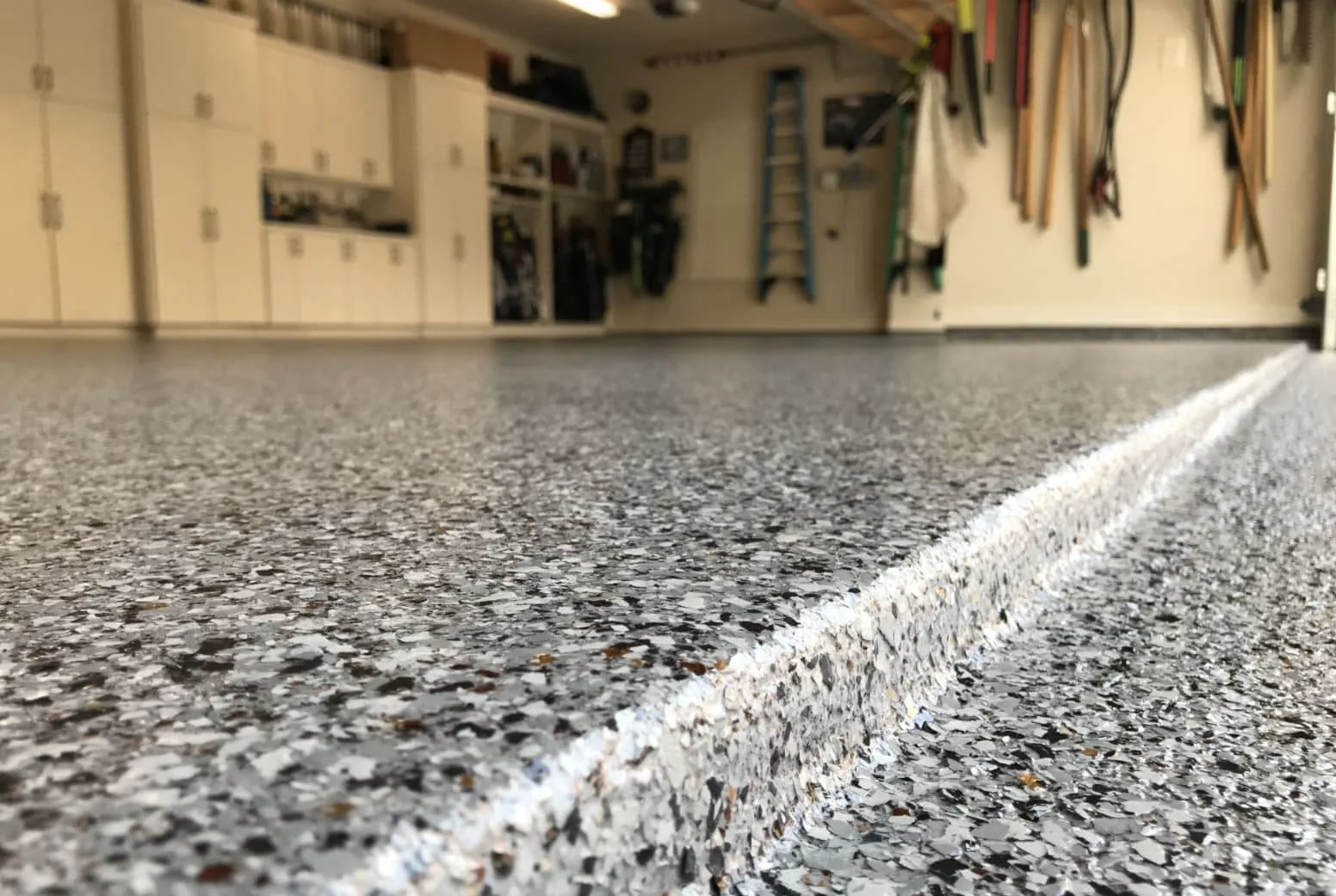
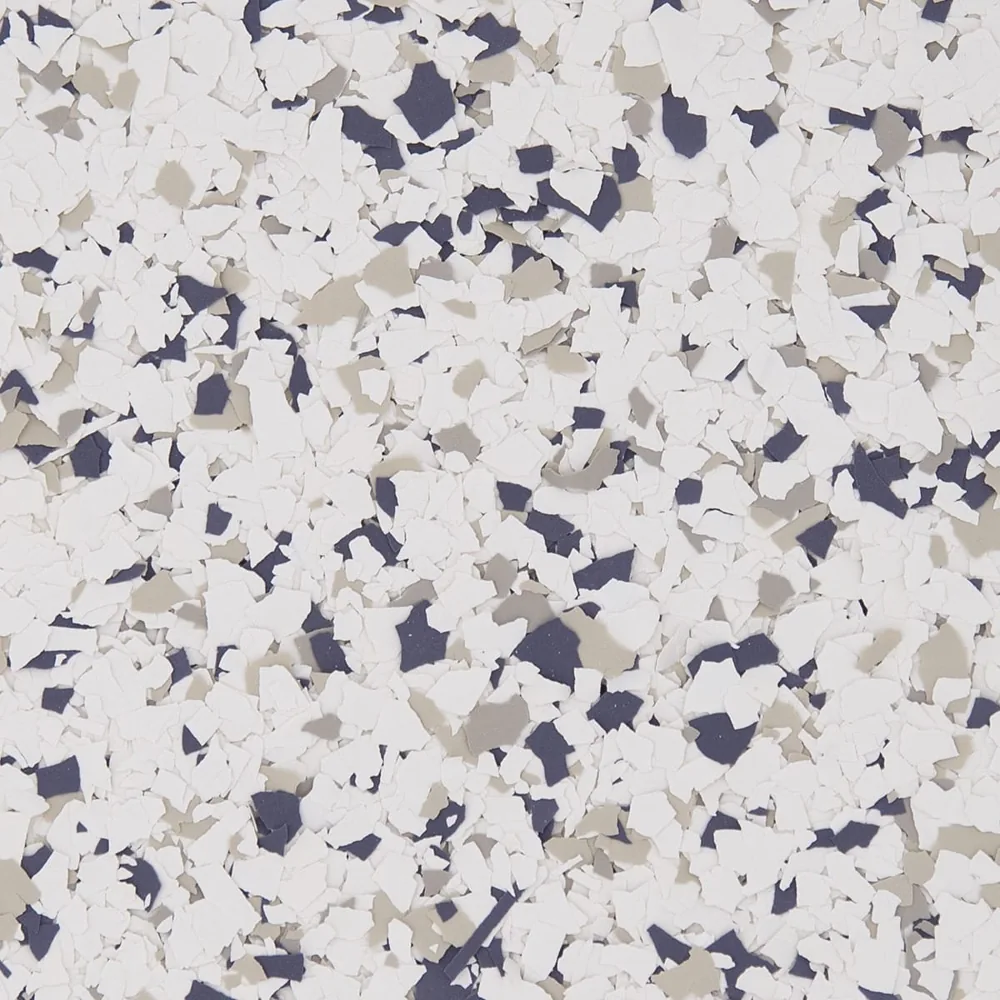
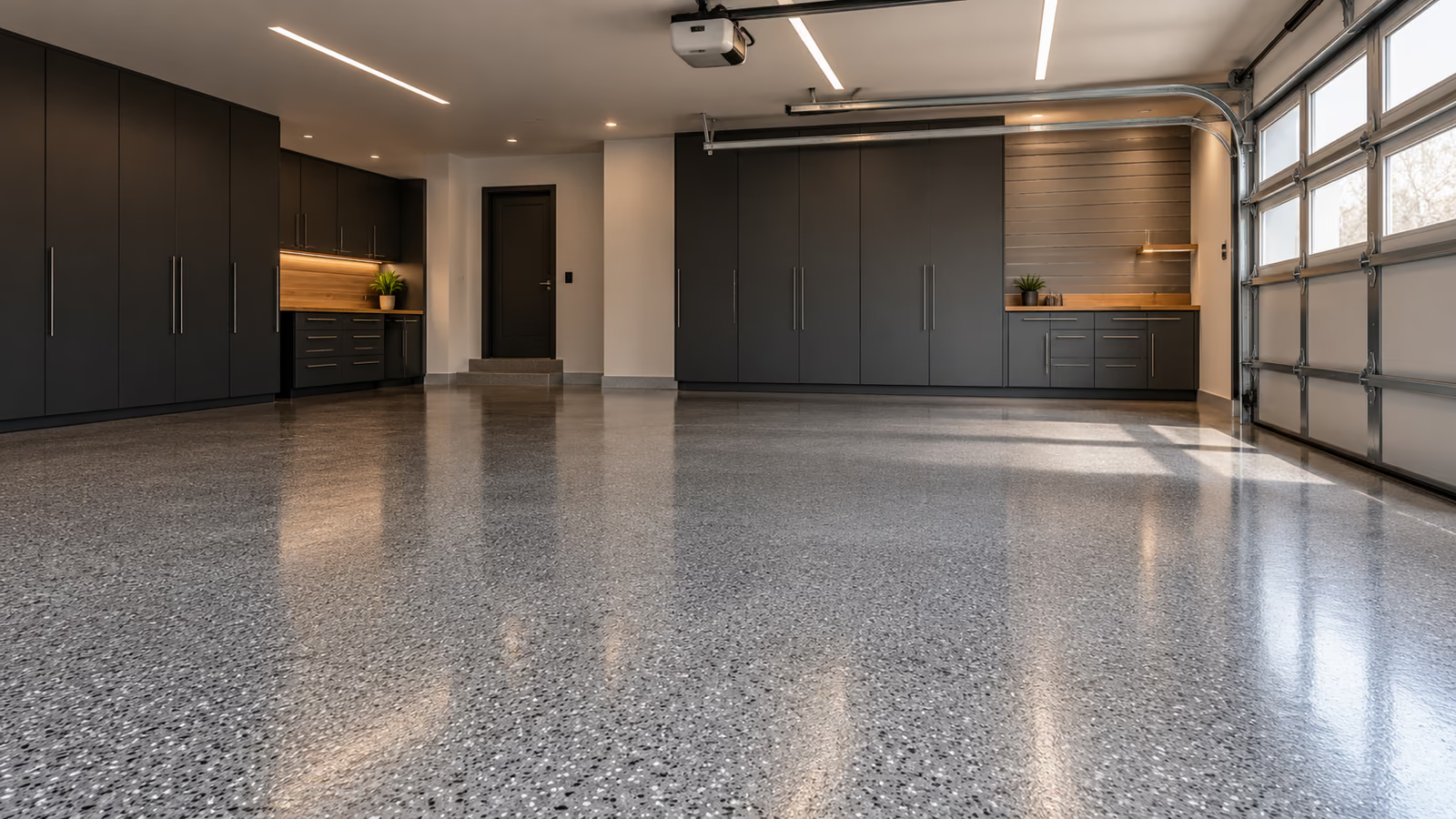
- Quartz– or Flake-broadcast systems for slip resistance and texture where wet work happens.
- Urethane topcoats over epoxy for extra scratch resistance and UV stability.
- ESD-control epoxy for electronics and aerospace where static is a risk.
In our area, moisture in slabs can be tricky,snowmelt, spring rain, and subsurface vapor sneaking up through the concrete. We handle that head-on with moisture testing (ASTM F2170 relative humidity or F1869 MVER) and, when needed, a moisture-tolerant primer so the coating stays bonded.
One more local reality: road salts like magnesium chloride cling to wheels and boots. A dense, sealed epoxy floor in Salt Lake City keeps those salts from sinking into the concrete, so cleanup is quicker and the slab doesn’t degrade.
Smoother movement, faster flow: forklifts just run better
You can feel it. Forklifts roll easier on a smooth, sealed surface. There’s less vibration, fewer micro-stops, and a touch less fatigue on operators. That comfort translates to speed and consistency,tiny wins that add up.
We also mark clear lanes right in the coating system: durable striping for one-way aisles, pedestrian crosswalks, and staging boxes. Better visibility tightens routes and reduces hesitations. It’s not flashy,just steady gains, shift after shift.
Here’s a simple snapshot of where time often gets saved:
Swipe to compare →
| Solid #ccc;”>Area | Old Floor | With Epoxy |
|---|---|---|
| Forklift turns per hour | 28–30 | 30–33 |
| Operator slowdowns at rough joints | Frequent | Rare |
| Racking damage from bumps | Occasional | Minimal |
Honestly, even the noise level drops a bit,less rattle,and that makes communication on the floor just a shade clearer.
Cleaner, quicker turnarounds: housekeeping that sticks
Dust is the enemy of uptime. Bare concrete sheds dust; every sweep kicks it back into the air. An epoxy-coated factory floor seals the surface so dust has nowhere to hide. Oil and coolant don’t soak in, so spills wipe up fast. That means you spend less time mopping and more time producing.
If your plant must meet audits or sanitation checks, the difference is real. Smooth coves at the wall, sealed joints, and color zones for hygiene standards make inspections predictable. It’s the kind of improvement that doesn’t call attention to itself,because it simply works.
Safety isn’t a poster,it’s in the floor
Safety lives where people walk. We tune texture to your Process: from smooth for dry packaging areas to medium grip in washdowns, up to aggressive broadcast at loading docks that see snow and salt. The goal is the same: high traction without making carts hard to push.
Color is safety too. We use durable striping that stands up to forklift traffic,pedestrian aisles, emergency egress paths, and buffer zones around machines. It syncs with OSHA 1910 guidelines and ANSI Z535 Colors so your visuals match common standards.
Have sensitive electronics? ESD-control epoxy dissipates static so parts and people stay safe. And yes, a contractor may be able to test it.
Downtime math: installation that respects your schedule
Factory time is priceless. We plan installs to fit your windows,staggered phases, weekend pushes, or a tight shutdown if that’s your style. With fast-cure materials, some spaces are traffic-ready in hours, not days. Winter work? We adjust cure schedules and bring heat when needed, because February doesn’t scare us.
A quick sample schedule for a 12,000 sq ft production area:
Swipe to compare →
| Phase | Work | Typical Timing |
|---|---|---|
| Surface Prep | Shot-blast, diamond grind, joint repair | Day 1 |
| Prime + Build | Moisture-tolerant primer, high-build epoxy | Day 2 |
| Topcoat/Striping | Urethane topcoat; aisles and safety lines | Day 3 |
| Return to Service | Light foot traffic; then forklift | Same night; next morning |
You know what? The biggest relief clients mention isn’t the gleam. It’s that we handed the space back exactly when we said we would.
Durability that pays for itself
A floor that lasts doesn’t need constant patching. Compared with bare concrete, tile, or thin paint, a well-built industrial epoxy system lowers lifetime costs,less cleaning time, fewer shutdowns for repairs, and better protection for the slab. Even when a section gets scuffed from skids, we can sand and refresh the topcoat without redoing the whole place.
A quick, realistic ROI snapshot:
- Reduced cleaning hours free up crew time weekly.
- Fewer forklift tire marks and no concrete dust in bearings extend maintenance intervals.
- Lower slip incidents help cut near-miss reports and downtime.
- Life-cycle value: a 7–10 year service life in heavy use is common with good care,longer in lighter areas.
Is every floor indestructible? No. But epoxy holds up to daily abuse better than almost any other coating family at this price point.
Custom-built to match your work
Every factory in Salt Lake County runs a little differently,mixing, machining, assembling, or shipping. We tune the system to the job.
Chemicals and heat
If you’re handling acids, caustics, or solvents, we’ll specify a chemical-resistant epoxy with a compatible urethane or novolac topcoat. If you run hot-wash or steam clean, a urethane-cement layer under the epoxy handles thermal shock better.
Impact zones
Loading docks and stamping areas take hits. We thicken the system or add reinforced screeds at known drop points. It’s a small tweak that prevents the spider cracks you see near ramps.
Food, beverage, and packaging
Seamless floors with coved bases keep crumbs and liquids from hiding at edges. Antimicrobial additives are an option. And yes, we can slope to trench drains so washdowns don’t Pool.
Electronics and aerospace
ESD-control epoxy with verified resistance keeps static at bay. Think assembly lines, test benches, and sensitive storage.
We work with trusted manufacturers like Sika, Sherwin-Williams (General Polymers), Dur-A-Flex, and Tnemec, then install to the spec your process needs.
A real-world snapshot: time back on the clock
A mid-size assembler near the airport struggled with dust and slow aisle traffic. Concrete joints were worn; forklifts bounced and braked. We prepped the floor, installed a moisture-tolerant primer, a high-build epoxy, and a satin urethane topcoat with safety yellow striping.
The plant manager’s notes, three months later:
- Forklift routes became smoother; average aisle pass sped up by roughly 2 seconds.
- Housekeeping cut floor cleaning from 70 minutes to 45 on the night shift.
- Incidents: one slip near a wash sink before; none since adding texture in that zone.
It wasn’t magic; it was the floor finally doing its job so people could do theirs.
Choosing a contractor in Salt Lake City: what to ask
Picking a coatings crew is a bit like hiring a machinist,you want the right tools, the right prep, and the right finish. A few smart questions go a long way:
- How will you prep the slab? Look for shot-blasting or diamond grinding to ICRI CSP profiles, not just acid etch.
- Do you test for slab moisture? Ask about ASTM F2170 or F1869. Moisture can make or break a coating.
- What’s the full system? Primer, build coats, topcoats, and where texture or ESD is needed.
- What’s the return-to-service time? Get clear cure windows for foot and forklift traffic.
- How do you handle repairs later? Make sure the system is maintainable in sections.
- Who stands behind the work? Manufacturer and installer warranties should be in writing.
We’re local,Utah Epoxy Coatings works across the Wasatch Front,and we carry the gear and crew size to meet tight windows without cutting corners.
Maintenance cheat sheet: keep it looking sharp
Good news: upkeep is simple. A few habits keep your factory epoxy flooring in peak form.
- Daily dust mop or auto-scrub with a soft pad. Remove grit that can scratch.
- Use a neutral pH cleaner,something like Zep Neutral Floor Cleaner. Skip harsh acids unless we’ve cleared it.
- Wipe spills soon so oils don’t sit. They won’t soak in, but quick cleanup is always easier.
- Protect high-impact spots with mats or bumpers where parts drop.
- Plan a refresh coat every few years in heavy lanes. It keeps the surface sealed and bright.
And if a forklift leaves stubborn black marks? A citrus-based degreaser plus a white pad usually does the trick. If not, we’ll show your team a quick touch-up method.
Ready when you are: Utah Epoxy Coatings
If you’re aiming for a smoother, safer, cleaner floor,and a factory that simply runs better,we’re here to help. We’ll listen to your process, walk the space, and recommend a system that matches your schedule and your budget.
Call us at 801-515-0892 or tap to call. Prefer email? Send a note and we’ll schedule a quick site visit.
Want numbers on paper? Request a Free Quote and we’ll map out a clear scope, timeline, and warranty,no fluff, just a floor that gets work done.