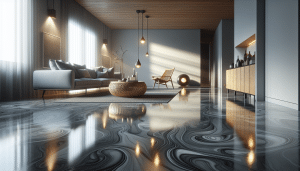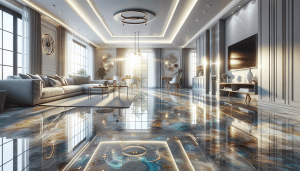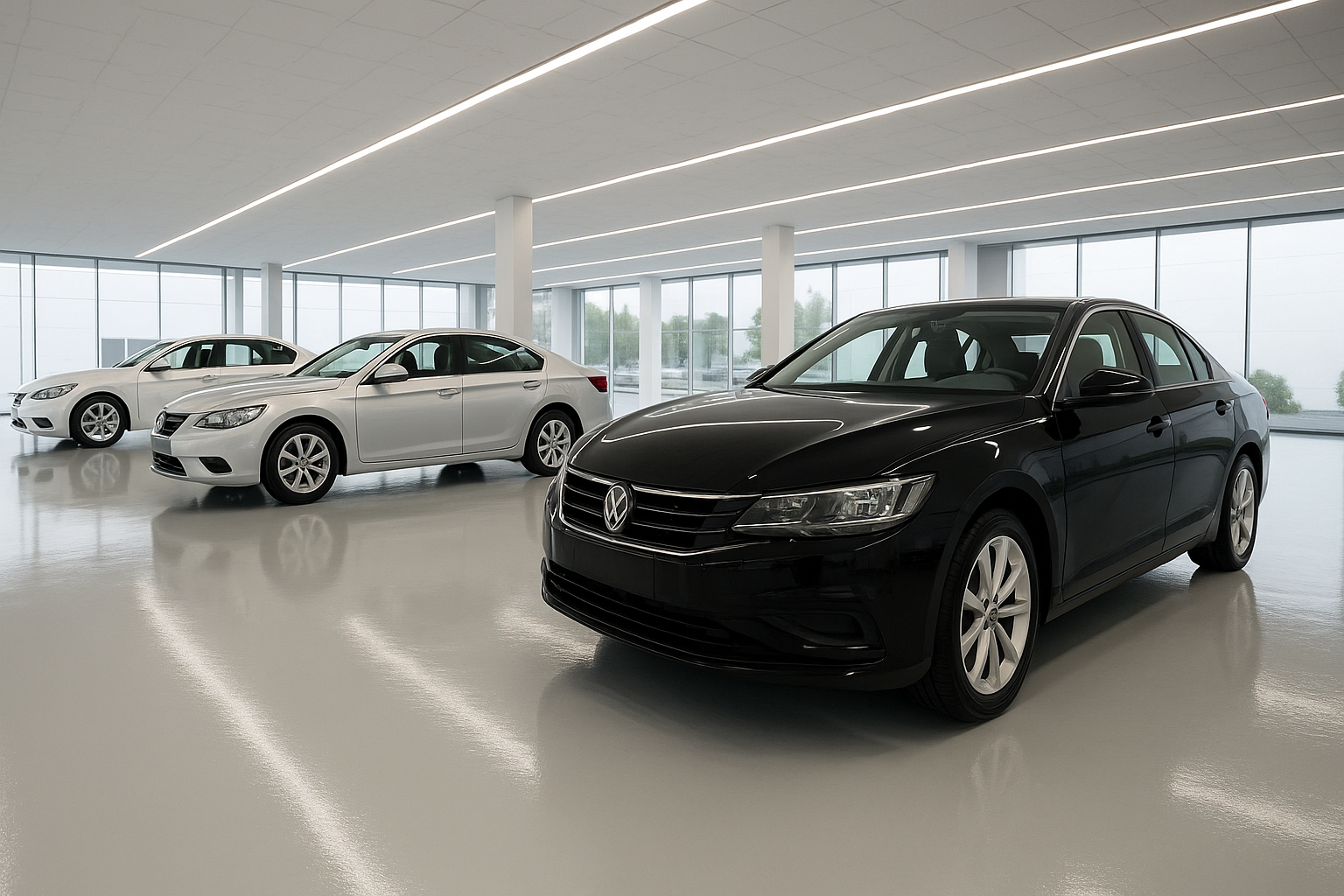
Showrooms live and breathe first impressions. The floor is the stage, and everything else—cars, furniture, art, gear—performs on it. If that stage is scratched up, dull, or forever dusty, it steals attention in the worst way. That’s why more Salt Lake City showrooms are asking for Epoxy Floor coating. It looks sharp, cleans fast, and handles heavy traffic without acting fussy. And you know what? It’s not just for big-box spaces. Homeowners with Garage showrooms and boutique retailers across the Wasatch Front are getting the same smooth, camera-ready finish—without blowing the budget or closing up Shop for a week.
Why Showrooms Love Epoxy: First Impressions That Stick
People feel a space before they think about it. A high-gloss, glassy floor sets a certain mood—clean, confident, modern. A satin finish says warm and welcoming. With Showroom epoxy floors, you get both the look and the muscle. The coating builds a seamless surface that reflects light, brightens the room, and makes merchandise pop. Colors read truer. Metals look richer. Fabrics stand out.
Here’s the thing: polished concrete can look great, but it still has pores. Tile has grout lines that darken. Vinyl scuffs. A high-quality epoxy floor coating seals the surface, so dust settles less and mops glide. That means the floor looks “just-cleaned” more often—because it actually is.
Built For Traffic, Forklifts, And Utah Winters
Salt, slush, summer dust—our local climate throws a lot at floors. We see it all across the Salt Lake Valley and up in Park City: tracked-in mag-chloride in December, gritty sand in June. Epoxy floor coatings are made for that kind of abuse. They bond to concrete, build thickness, and shrug off abrasion and tire marks. Even better, we can add a UV-stable urethane or polyaspartic topcoat at the end, so the sun near your front windows doesn’t yellow the surface.
Heavy showroom traffic? No problem. Pallet jacks, display resets, even light forklifts are common. A properly installed commercial epoxy floor spreads the load and resists gouging. And because your floor is seamless, there’s nothing for dirt to catch—no seams to fray, no edges to lift. That’s a quiet kind of toughness, but you notice it every day when you don’t have to call for repairs.
One small contradiction you’ll like: epoxy is both tough and forgiving. It resists damage, yet it’s comfortable underfoot, not slippery-glass hard like some stones. Add a slip-resistant texture where you need it, and staff can move fast without a second thought.
Design Freedom: From Minimalist Gloss To Metallic Drama
Showrooms have personalities. An Audi dealership doesn’t want the same look as a home decor gallery in Sugar House. That’s where epoxy shines—style is part of the package. You can keep it simple with a Solid gray or white that lets product stand out. Or, go designer with metallic epoxy that swirls like brushed steel or smoked Quartz. Flake blends add texture and hide dust. We can even integrate custom logos under the clear topcoat for brand consistency that literally lives on the floor.
Popular finish choices that work beautifully in showrooms
| Finish Style | Best For | Overall Look |
|---|---|---|
| High-Gloss Clear over Solid Color | Auto, electronics, modern retail | Bright, reflective, crisp |
| Matte or Satin Urethane | Furniture, galleries, lifestyle brands | Warm, camera-friendly, low glare |
| Metallic Epoxy | Statement floors, premium goods | Lux, dimensional, one-of-a-kind |
Honestly, lots of clients worry about showing dust. That’s fair. We can build in very fine texture or choose a tone that’s forgiving day-to-day. The goal is simple: your space should look fresh without chasing every footprint.
Safer, Brighter, And Easier On Staff
Safety is not a side note. A glossy floor can still be slip-resistant when we add the right micro-texture. We adjust grit levels by area—higher traction near entrances or service bays, smoother under center displays. The trick is balancing movement with grip so your team and your guests feel natural walking on it.
Epoxy also reflects light. That boosts visibility and can reduce lighting needs a notch, which is handy for long showroom hours. And because quality systems are low-odor and low-VOC once cured, staff aren’t wrestling with lingering smells. We schedule installs to minimize disruption and keep air movers going; most spaces are back to business fast.
Cleaning That Doesn’t Steal Your Week
Showrooms don’t have time for fussy maintenance. With a seamless epoxy floor, there are no grout lines to scrub and no wax to strip. Daily care is a quick dust mop or auto-scrubber pass. Spills? Wipe and move on. Display glue or tape residue? Citrus cleaner usually does it. For scuffs, a white pad and a little neutral cleaner work wonders.
- Simple routine: Dust mop, then a neutral pH scrub. That’s it.
- No waxing: The topcoat is your shine. Keep it clean and it keeps shining.
- Spot fixes: Localized scratches can be screened and re-coated.
And here’s a small but big thing: less dust means merchandise stays cleaner. Fabric couches, leather seats, matte-black tech—everything looks better when the floor isn’t constantly kicking up particles.
Let’s Talk Money: Lower Lifetime Cost, Fewer Headaches
Square-foot prices vary by system, substrate, and prep. But the long-game math leans epoxy. Instead of paying for periodic waxing, grout restoration, or rapid tile replacement, you get a long-life showroom floor that needs basic cleaning and the occasional refresh coat years down the line.
Quick comparison most managers ask about:
- Tile: Durable tiles, weak grout lines; labor-heavy cleaning.
- Polished Concrete: Beautiful but porous; can show tire shadows and needs guarding.
- VCT/LVT: Faster to install, but scuffs, curls at edges, and often needs waxing.
- Epoxy/Urethane System: Seamless, thick, and re-coatable; simple maintenance.
With epoxy, downtime for maintenance is lower. That’s real money. If you’re closing a showroom to fix a floor, you’re not selling. We plan coatings so cure windows fit your calendar—nights, weekends, even split phases if needed.
Faster Installs, Smart Scheduling, Less Drama
Showrooms can’t go dark for a week. We get it. Our team stages work to keep product safe, protect walls, and limit noise. We use dust-controlled shot blasting for prep—cleaner and more consistent than acid etch—and set fans to move air without stirring a dust storm. Depending on the system, many projects wrap in two to three days, with foot traffic allowed as early as the next day and vehicles soon after.
Utah’s altitude and humidity matter, too. Cure times run a bit different here than at sea level. We pick materials designed for local conditions, including UV-stable topcoats for those sunny front windows along State Street or 700 East. That means your floor looks right on day one and stays right year after year.
Use Cases We See All Over Salt Lake City
Showrooms aren’t one-size-fits-all. A few local scenarios might sound familiar:
- Auto and Powersports: Need high-gloss, tire-resistant, and camera-ready for listings. Add slip resistance near service doors.
- Furniture and Design: Prefer satin or matte to cut glare for photos. Neutral tones so woods and fabrics stand out.
- Outdoor and Ski Gear: Want gritty traction near entries for snowmelt; flakes hide salt drops and dust.
- Galleries and Lifestyle Retail: Love seamless, quiet floors. Metallic Finishes create a subtle wow without stealing the show.
- Home Garages and Hybrid Showrooms: From classic cars to home gyms; build a durable, cleanable space that still feels personal.
Season matters, too. Winter road salt? We strengthen chemical resistance. Spring pollen? Smooth surfaces clean fast. Summer UV? Clear coats with non-yellowing chemistry. Fall move-ins? We can work around shipping schedules and installs for new displays.
What To Ask Any Installer (Including Us)
Good questions save headaches. A quick cheat sheet:
- How will you prep the concrete? Look for dust-controlled shot blasting or diamond grinding to a CSP 2–3. That’s what anchors the system.
- Do you test for moisture? ASTM F2170 in-slab RH testing or ASTM F1869 MVER. If readings are high, you need a moisture mitigation primer.
- What chemistry is being used? 100% solids epoxy builds the base; polyaspartic or urethane topcoats add UV and scratch resistance.
- How will you handle joints and cracks? Proper repairs with semi-rigid fillers; control joints honored, not buried, so the slab can move.
- What’s the recoat plan? Ask about a maintenance path. A light screen and new topcoat years later extends life at low cost.
Red flags: vague prep descriptions, skipping moisture testing, or pushing only one system for every floor. Floors fail in the prep, not the topcoat. If you hear “we’ll just acid etch,” keep asking questions.
Our Process At Utah Epoxy Coatings
We’re a local crew. We work all over Salt Lake City, from downtown showrooms to Draper, Sandy, and Bountiful. Different spaces, same playbook—clean, prep, build, and protect.
- Walkthrough and testing: We check slab condition, hardness, and moisture. Photos and a clear scope so we’re synced on expectations.
- Surface prep: Shot blast or grind to create profile; vacuum with HEPA dust control. Edges detailed so the finish looks sharp.
- Repairs: Crack chase, joint fill with polyurea or semi-rigid epoxy. Level low spots where needed.
- Prime and build coats: 100% solids epoxy base for bond and thickness. Add color coat, flake or metallic effects if desired.
- Topcoat selection: Urethane or polyaspartic for abrasion resistance, UV stability, and the sheen you want—gloss, satin, or matte.
- Cure and handoff: Staggered access for staff, product move-in schedule, and cleaning tips tailored to your space.
Tools and brands we trust? Prep with Blastrac and Hilti gear, moisture mitigation from reputable lines, and pro-grade coatings designed for commercial wear. Not just a pretty face—real-deal epoxy flooring that takes a beating and keeps smiling.
FAQ Lightning Round
How long will it last? Many showroom systems run 8–12 years before a simple recoat, sometimes longer with good care.
Is it slippery? Not when we texture it appropriately. We balance traction with look, zone by zone.
Will hot tires peel it up? With proper prep and the right topcoat, hot-tire pickup isn’t an issue. It’s almost always a prep problem, not an epoxy problem.
What about yellowing? We use UV-stable topcoats to keep clear finishes clear near windows and glass doors.
Can we add logos or lane lines? Absolutely. We place graphics between coats and lock them in under the clear.
How fast can we be back in business? Often within 24–48 hours for foot traffic, and soon after for vehicles, depending on the system and temperature.
Ready For A Floor That Helps You Sell?
Floors don’t have to whisper “maintenance.” They can say “welcome.” If you want a surface that shows off your products, keeps staff moving, and stays clean without a weekly battle, epoxy floor coating for showrooms is a smart play—practical and good-looking, which is a rare combo.
Utah Epoxy Coatings serves the greater Salt Lake City area with systems that are built for our climate and your schedule. Let’s talk about your space, your brand, and what the floor should feel like underfoot. We’ll bring samples, real timelines, and clear pricing.
801-515-0892 — call us and speak with a local specialist today.