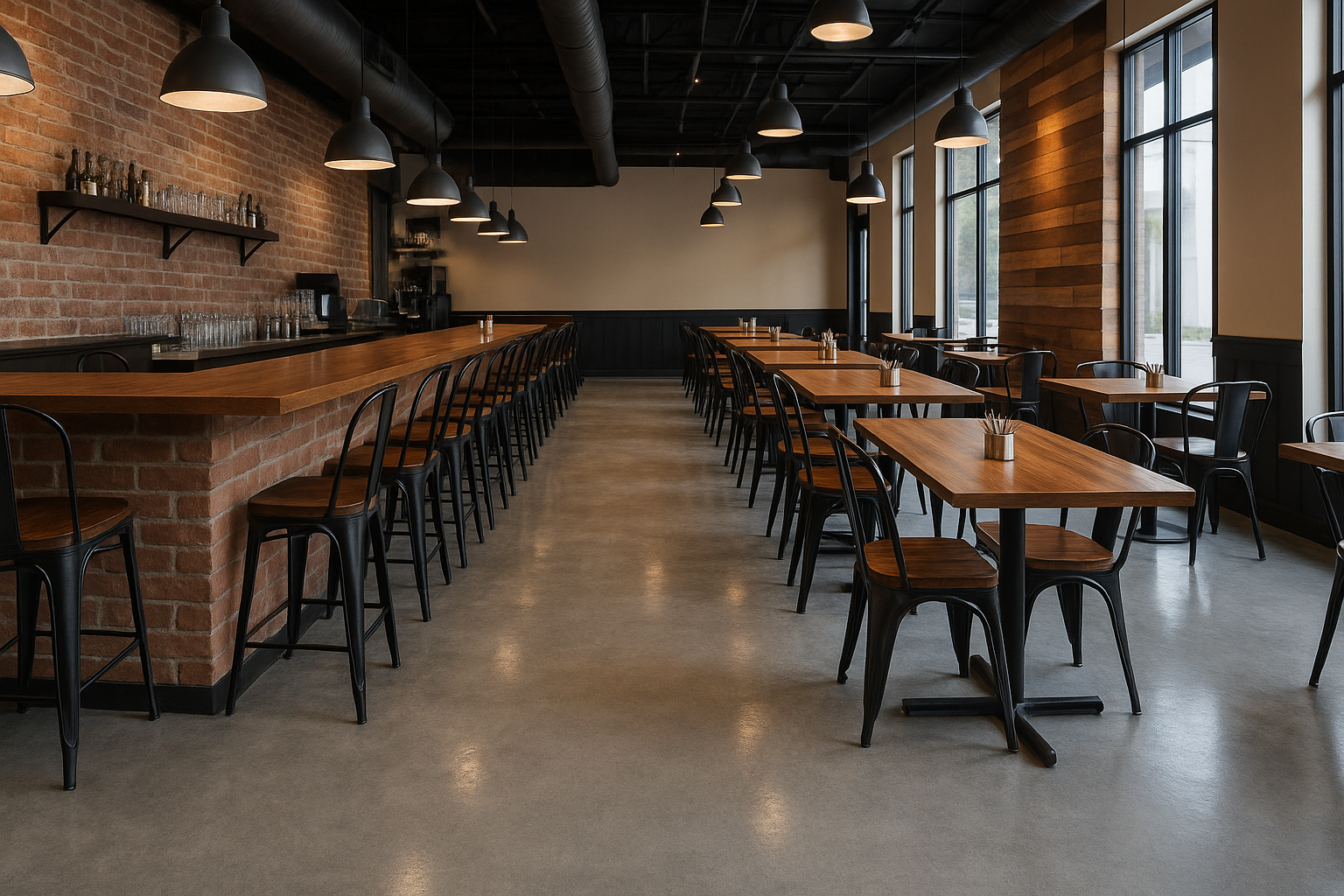
Restaurant floors do a quiet kind of heavy lifting. They face hot pans, dropped knives, salt from winter boots, soda syrup, fryer oil, and miles of foot traffic every single day. If you’re running a restaurant from Downtown SLC to Sugar House or up near the University, your floor works as hard as your line cooks. That’s why epoxy flooring for restaurants isn’t just a style choice. It’s a smart, steady investment that keeps your kitchen humming and your front-of-house looking sharp. You know what? It might even help you sleep better after a long Friday night rush, because it lets you clean fast and open on time.
Why Floors Matter More Than People Think
A restaurant is only as efficient as its flow: staff moving safely, guests feeling comfortable, and cleaning staying easy. Floors drive that story. A porous, cracked surface traps grime. A slick finish sends people sliding. A stained lobby makes a bad first impression before the water is even poured.
Here’s the thing: non-porous, seamless epoxy floors help on all three fronts. They make sanitation faster because nothing soaks in. They boost safety because you can build in slip resistance. And they support your brand with clean, consistent color under good light. That matters—especially when reviewers notice small details.
What Exactly Is Epoxy Flooring?
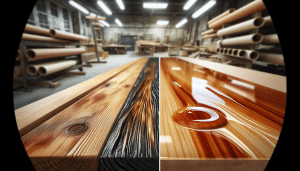
Epoxy is a resin system that bonds to your concrete and cures into a tough, dense surface. Think of it as a custom jacket for your slab—fitted, protective, and easy to clean. We often install **high-build commercial epoxy coatings** in layers: primer, body coat, optional broadcast (like flakes or Quartz), and a chemical-resistant topcoat.
Different looks fit different spaces.
- Solid color epoxy for back-of-house efficiency.
- Quartz epoxy systems for traction and color depth in wet zones.
- Decorative Flake Finishes for front-of-house or bathrooms that need a bit of texture and style.
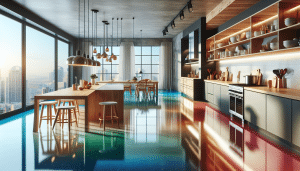
- Metallic epoxy for statement lobbies, cocktail bars, or bakeries that want a swirl of personality.
One small twist that matters: in high-heat or heavy thermal-shock areas, we often recommend a urethane cement layer under or instead of standard epoxy. It handles hot water dumps from dishwashers and sudden temperature swings like a champ.
Health Codes, Sanitation, and Peace of Mind
In Utah, health inspectors care about surfaces that are smooth, cleanable, and in good repair. **Epoxy flooring for commercial kitchens** checks those boxes. The surface is seamless, so there are no grout lines to trap food or moisture. It’s also non-porous, which reduces bacteria harborage and makes cleaning faster.
Let me explain something we do often: cove base. We extend the coating a few inches up the wall in a smooth curve. That eliminates the 90-degree corner where grime hides. Pair that with proper slope to drains, and you get quick washdowns and less time chasing puddles.
We can also integrate systems designed to meet typical HACCP-style goals. While most restaurant floors aren’t formally certified by a single body, we use coatings and procedures that support sanitary design principles—easy to clean, durable, and resistant to chemicals.
ROI: Durability That Pays You Back
There’s a reason facilities managers love epoxy. It keeps paying you back through fewer repairs, faster cleaning, and less downtime. Tile can look nice but the grout gets beat up in kitchens. Polished concrete is clean-looking, yet it can stain under grease and acid without diligent sealing. Epoxy brings a blend of toughness and cleanability that stretches the life of your floor—especially in restaurants that run from brunch to late night.
Here’s a simple way to look at it: even if epoxy costs a bit more upfront than a quick patch-and-go, you save with fewer shutdowns and less scrubbing. And because it’s seamless, your nightly mop actually does what it’s supposed to do.
Will It Be Slippery? Traction You Can Dial In
A common worry: shiny equals slick. Not always. We can blend traction media into the coating or topcoat to hit a target coefficient of friction. Kitchens need more traction; front-of-house usually needs less. The feel can be gentle—no “sandpaper” vibe underfoot—yet grippy when it’s wet.
Honestly, it’s a balancing act. Too much texture and your mop snags; too little and spills become risky. We listen to your team, watch how the space runs, and set the texture to match the way you work.
Grease, Heat, Cleaners: Real-World Stress Test
Restaurants throw curveballs at floors all day long. Fryer oil hits the Deck. Acidic sauces spill. Hot water surges out of dish lines. The right epoxy system handles it.
- Chemical resistance: Helps protect against degreasers, citrus, and sanitizers.
- Thermal shock tolerance: Urethane cement systems shine near dish machines and kettles.
- Impact resistance: Forklift pallets or keg drops? We thicken coatings in those zones.
It sounds like a contradiction: epoxy is hard, yet it can flex a little with micro-movement in the slab. That tiny give helps resist chipping where lesser coatings fail.
Front-of-House Style Without the Fuss
Floors set a tone the moment a guest walks in. You might want warm neutrals for a neighborhood breakfast spot near 9th and 9th, or bold earth tones for a taqueria with high energy. With **Salt Lake City epoxy floors**, your palette is wide open. We match brand Colors, layer metallic accents, or create soft speckled patterns that hide traffic while still feeling bright.
Acoustics matter too. While epoxy isn’t a soundproofing material, the right blend with rubber underlayment in select areas can reduce hard echoes. It’s a small touch guests won’t name, but they’ll feel more comfortable.
Local Reality Check: Snow, Salt, and Sun
SLC brings lake-effect snow and winter salt, which grind into floors. Front entries take the worst of it. We often use a more abrasion-resistant topcoat near doors and mats. It holds up to grit and stays clear.
What about UV? If sunlight pours in, some older coatings may amber over time. We solve that with UV-stable urethane topcoats at entries or large window walls. Also, winter installations? We carry heated tents, cure accelerators, and moisture mitigation systems so your schedule stays on track. We work nights and weekends, too, because closing for long stretches just isn’t an option.
The Utah Epoxy Coatings Process
Here’s our playbook for a typical restaurant project.
- Site walk and testing: We check moisture, hardness, and existing coatings. We look hard at drains and slopes.
- Concrete prep: Dust-controlled diamond grinding. This matters—great prep equals great adhesion.
- Repairs: Crack chasing, patching, joint detail. We don’t skip the boring stuff.
- Primer: Locks onto the slab and seals pores.
- Body coat: High-build epoxy or urethane cement, based on use.
- Broadcast or flake (if specified): Adds texture or design.
- Topcoat: Chemical resistant, selected sheen, and traction dialed in.
For a 2,000-square-foot restaurant, the install can wrap in 2 to 4 days depending on details, with cure windows to follow. We stage areas so you can keep partial operations when possible. Let us know your service schedule—brunch rush, dinner crowd, cleaning windows—and we’ll shape a plan that respects it.
Maintenance Cheatsheet: Quick and Practical
Epoxy is low maintenance, not no maintenance. A few habits keep it looking sharp.
- Daily: Sweep or vacuum grit. Mop with a neutral detergent. Rinse. Keep entry mats clean.
- Weekly: Use a soft auto-scrubber with non-abrasive pads in larger spaces.
- Spills: Wipe promptly—oil and acids won’t soak in, but they can leave films.
- Don’ts: No harsh abrasives, no metal scrapers, and go easy on super-strong solvents.
- Check lists: Look around drains, under cooklines, and near doors for wear. Catch issues early and they’re easy.
If a section does get damaged—say, a heavy oven drags during a remodel—we can spot-repair and blend the sheen so it looks right.
FAQ: Straight Answers, No Runaround
How long before we can reopen?
Most systems are walkable within 12 to 24 hours, and return to service within 24 to 72 hours depending on temperature and product. We’ll schedule around your slow periods to minimize downtime.
What about smell and food safety?
We use low-VOC systems with strong ventilation and dust control. Odor is mild and temporary. We coordinate with your manager so food and prep areas stay protected.
Can you handle trenches, drains, and coving?
Yes. We build cove bases, transition into stainless drains, and adjust texture as we move from dry to wet zones.
Is it slippery when wet?
We control the texture so you meet your traction goals without making mopping a pain.
What about warranty?
We stand behind our installs. The exact coverage depends on system choice and environment. We’ll spell it out in your proposal.
Can you phase the project area by area?
Absolutely. Many restaurants stage back-of-house first, then restrooms and entries, then front-of-house—whatever keeps service running.
Comparison at a Glance
| Floor Type | Strengths | Watch-outs |
|---|---|---|
| Epoxy/Urethane Cement | Seamless, chemical resistant, custom traction, fast cleaning | Requires skilled prep; cure time planning needed |
| Quarry/Porcelain Tile | Classic look, heat tolerant | Grout stains, cracked tiles, longer clean times |
| Polished Concrete | Modern look, low initial cost | Can etch/stain; may need frequent sealing in kitchens |
Who Benefits Most
– Fast casual and QSR: High traffic, quick turns, nightly mops—epoxy loves that.
– Full-service restaurants: Back-of-house durability and front-of-house style in one plan.
– Coffee shops and bakeries: Sugar, syrups, flour—easy cleanup, warm colors.
– Breweries and taprooms: Moisture, kegs, chemical cleaning—urethane cement zones are gold.
– Caterers and commissary kitchens: Big washdowns, forklift runs, constant setups.
A quick side note: homeowners sometimes ask if these systems work in residential kitchens or garages. Yes—especially if you want commercial-grade toughness with a clean finish. We’ll shape the look so it feels like home, not a factory.
How Much Does It Cost Around Salt Lake City?
Pricing depends on thickness, layers, repairs, and whether we use specialty systems. For rough planning in the SLC area:
– Commercial epoxy systems: Often in the range of $4 to $10 per square foot for straightforward installs.
– Quartz or flake broadcast: Usually lands in the $6 to $12 range depending on texture and topcoats.
– Urethane cement: Typically higher due to materials and prep; great for hot/wet zones.
– Moisture mitigation or heavy repairs: Adds cost but protects your investment long-term.
We’ll give you a clear, line-by-line proposal so there are no surprises. And we explain what each layer does. That way, the plan matches your workflow and budget.
Why Utah Epoxy Coatings
We’re local, and we know what restaurant floors face along the Wasatch Front. Salt, snow, summer dust, and crowds from Temple Square to the Jazz game downtown—your floor sees it all. Our team brings:
– Health-code savvy: Seamless, cleanable systems with proper slopes and coves.
– Night and weekend work: Keep service running; we stage and phase smartly.
– Dust control and ventilation: Cleaner installs; happier teams.
– Design support: From calm neutrals to metallic showpieces, we’ll help hit your brand notes.
– Pro prep: Moisture testing, repair, grinding—so the coating bonds right.
We’ve helped new builds, remodels, and quick turnarounds across Salt Lake City, Millcreek, Murray, and beyond. If you need references or product data sheets, just say the word.
Ready To Talk Floors That Work As Hard As You Do?
If you’re considering **epoxy flooring for restaurants** in or around Salt Lake City, we’d love to help you map the right system—kitchen to entry, drains to cove, color to traction. Quick chat, clear plan, no pressure.
Call Utah Epoxy Coatings at 801-515-0892. Or tap Request a Free Quote and we’ll get you a fast, friendly Estimate tailored to your space.