

Utah Epoxy Coatings · Updated 2026-06-03
When someone steps into your store, they start making decisions with their eyes and their feet. Clean lines. Good light. A floor that looks fresh and steady. It all sends a signal: this place is cared for, and so are you. That’s where epoxy flooring in Salt Lake City comes in. It’s beautiful, tough, and surprisingly warm to live with day to day. And for retail, it’s a quiet sales partner,helping your products pop, making aisles feel open, and keeping traffic moving without a squeak or a scuff.
Why great floors change how customers feel
Here’s the thing: shoppers read spaces fast. They notice shine, color, and how clean something looks. A bright, seamless floor says “we’re on top of things,” and that builds trust. With retail epoxy floors, the surface is smooth and continuous, so there are no grout lines to trap dust or shadows to make corners feel gloomy.
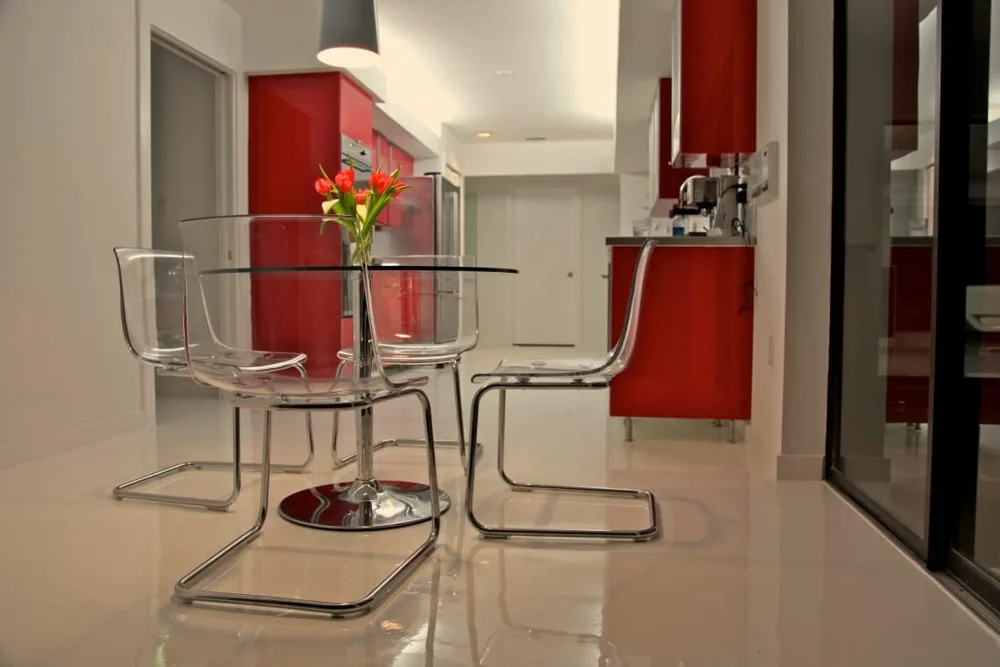
Epoxy is known for high light reflectivity, which can make a store feel bigger and more inviting. It also helps your lighting do more with less. Pair that with strategic fixture placement and your displays start to feel like a curated gallery,without ever getting loud or fussy.
And yes, there’s a comfort factor. Solid footing helps people relax. You know what? A calm shopper lingers longer. That’s when discovery happens and baskets get a bit fuller.
Built for Utah life: snow, salt, dust, repeat
If you’ve run a store through a Salt Lake winter, you know the routine. Ice melt crystals hitch a ride on boots, then grind across the floor. Summer brings dust off the Wasatch and a steady queue of hikers and skiers crossing your threshold. Epoxy Floor coating stands up to that churn.
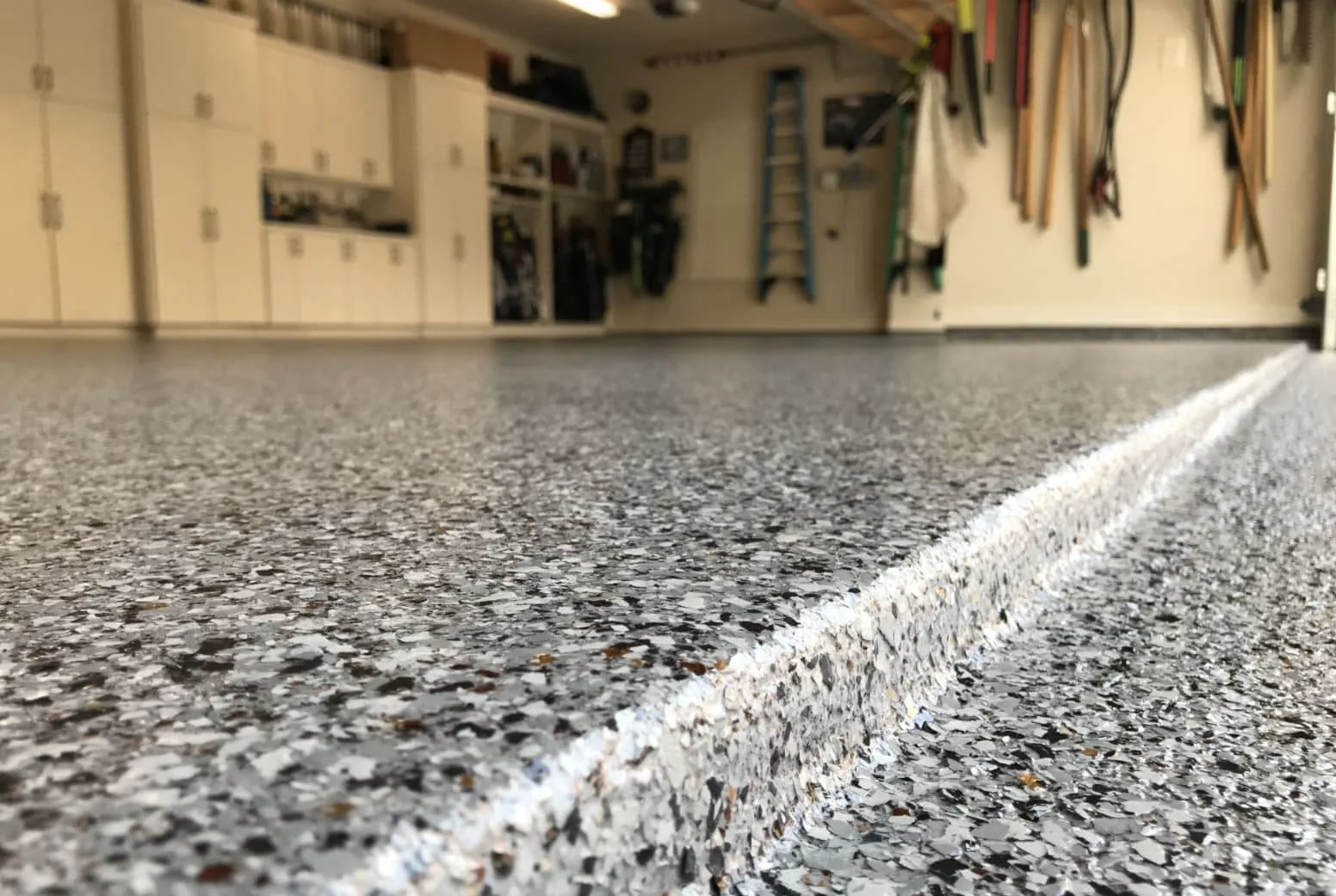
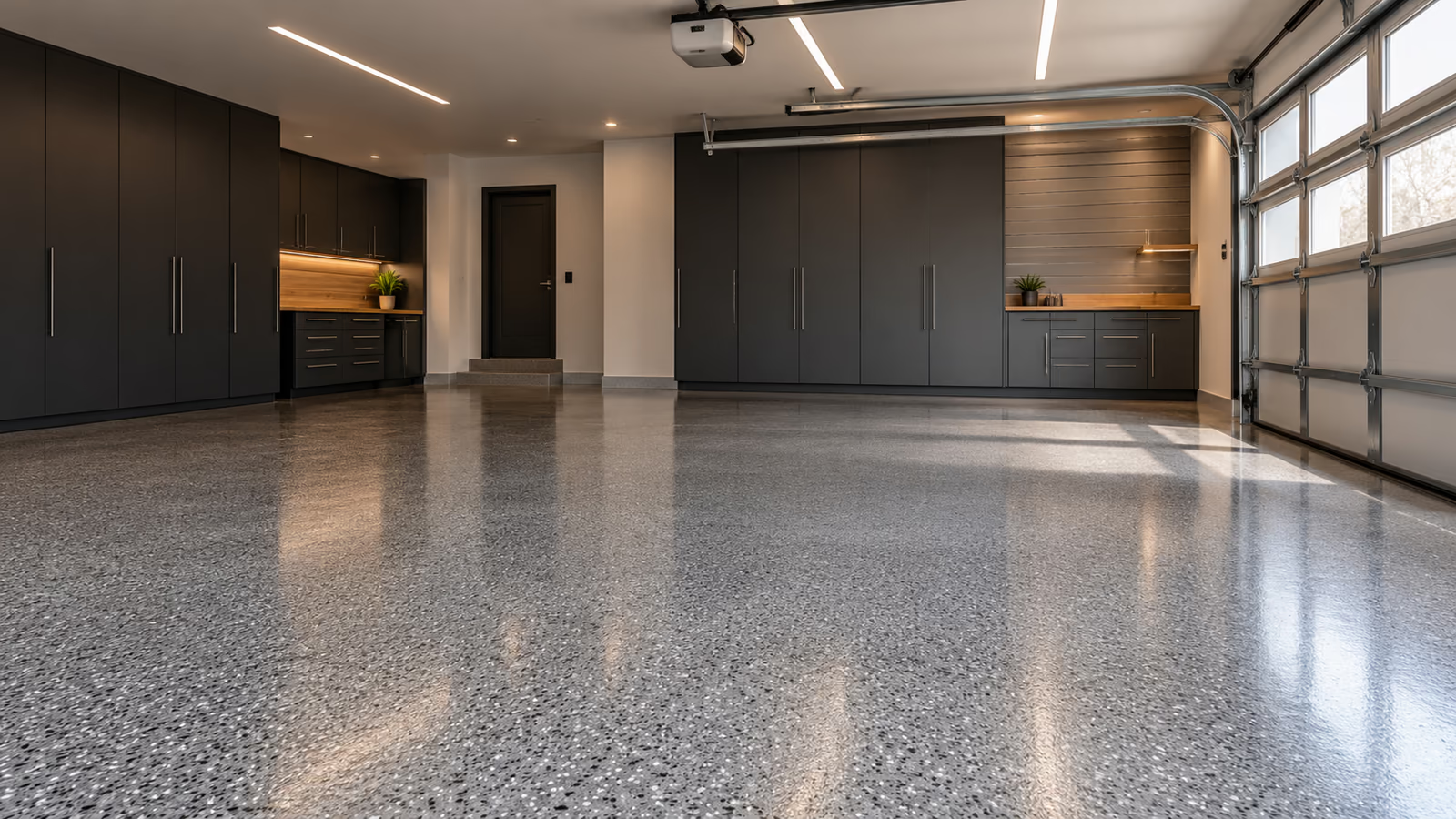
Our systems resist abrasion from grit and carry a chemical-resistant topcoat that shrugs off salt brine, coffee drips, and even the odd cleaner spill. A contractor may be able to add a silica or vinyl-Flake broadcast for slip resistance, which is a big deal near entrances and beverage coolers. During colder months, that extra texture helps a lot without making carts rattle or heels catch.
Because the surface is nonporous, mopping is quick and satisfying,no dull patches, no stains that stare back at you the next morning. Honestly, it’s one less thing to worry about during rush hour.
Looks that actually help you sell
Epoxy isn’t “one look.” It’s a canvas. We help Salt Lake City brands pick Colors and textures that match mood, merch, and neighborhood vibes,from Sugar House street-art energy to the clean timber-and-steel feel you see near the canyons.
Color psychology, simplified
Warm grays and soft taupes make apparel feel elevated. Deep charcoal floors give electronics and outdoor gear a modern edge. Light, creamy tones pull in daylight and make small spaces feel airier,great for boutiques along 9th & 9th where square footage runs tight.
Finishes and textures
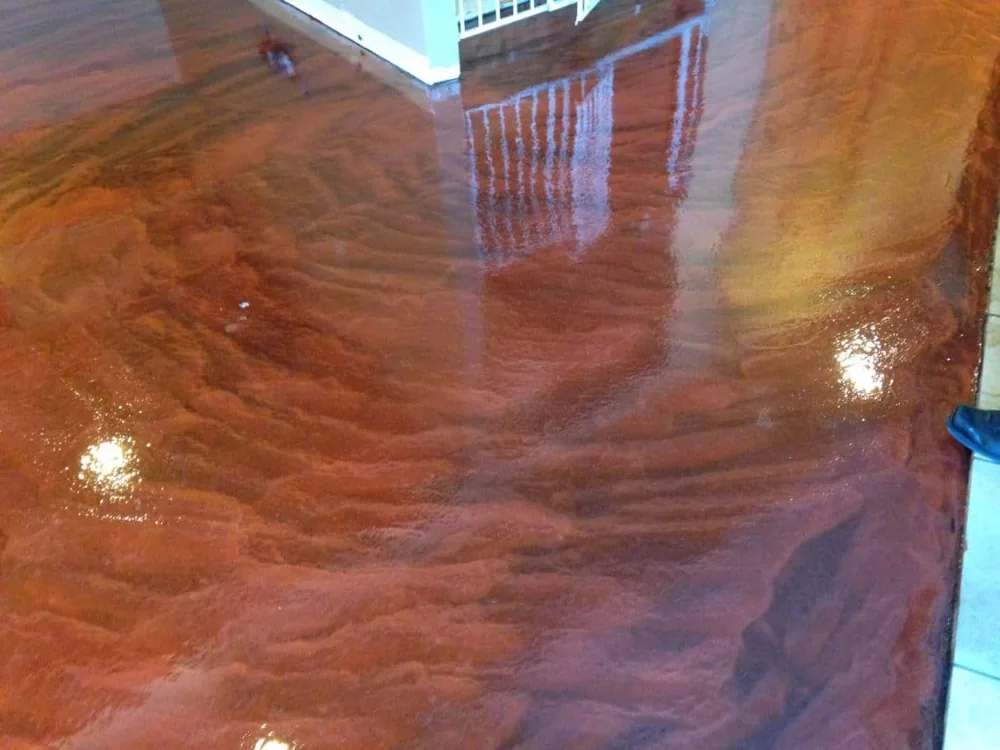
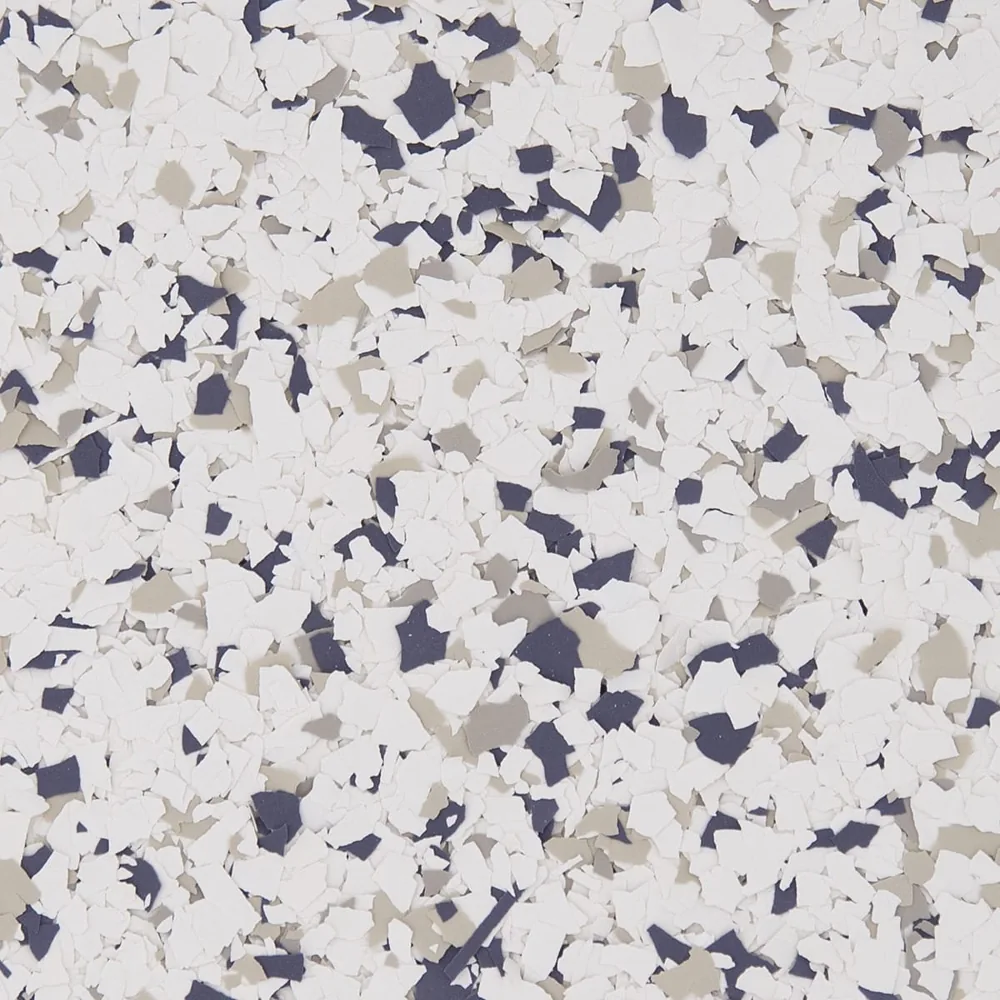
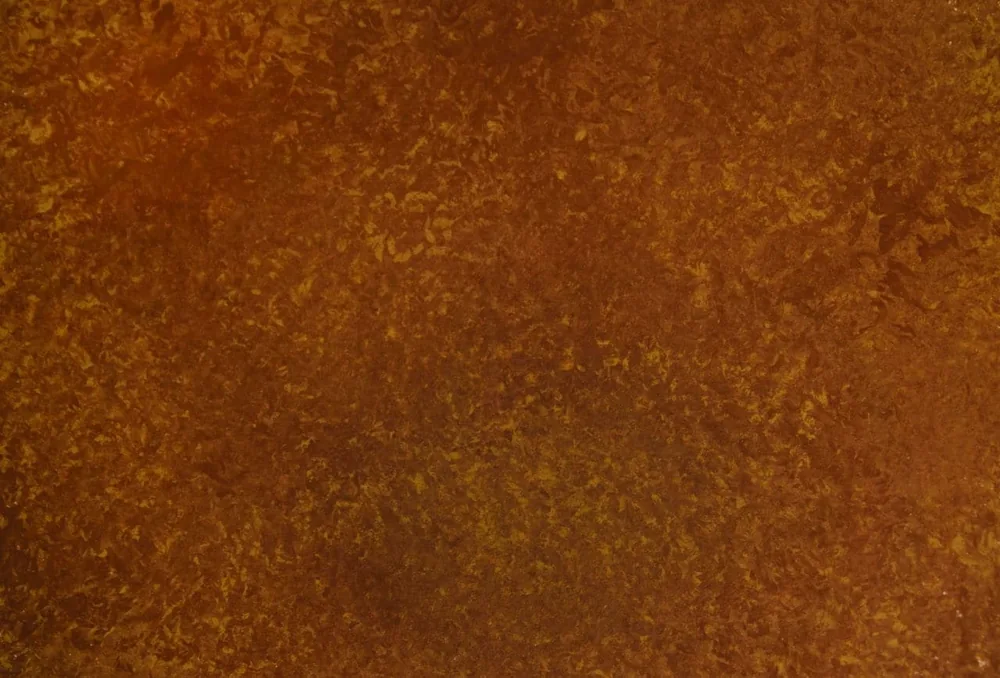
Choose a muted satin for a gallery-like calm or a glossy finish for high drama and reflectivity. Want movement? Metallic epoxy can add a subtle swirl that feels custom but not loud. We can also do flake blends that add visual warmth and help hide daily dust between sweeps.
Branding, built into the floor
Logos, directional pathways, color-zoned departments,a contractor may be able to integrate these into the coating system so they last. It’s cleaner than stick-on graphics and holds up far better under carts and strollers.
Swipe to compare →
| Finish type | Look and feel | Best for |
|---|---|---|
| Matte or satin urethane | Low glare; soft, modern tone | Boutiques, galleries, natural goods |
| High-gloss clear | Bright, reflective, crisp | Electronics, showrooms, cosmetics |
| Metallic epoxy | Subtle motion; custom vibe | Hospitality corners, feature zones |
Small note that matters: we tune sheen and texture to your lighting plan. Under LEDs, a satin finish often reads more expensive than a mirror gloss. Let me explain,gloss can bounce hotspots, while satin spreads light a bit, flattering products and faces. It’s a subtle thing, but your shoppers will feel it.
Safety, hygiene, and air quality,checked
Safety isn’t a nice-to-have. It’s table stakes. A contractor may build systems that meet robust slip ratings when wet and can document static coefficient of friction per industry standards. In back-of-house areas, we can ramp up texture where staff move fast with carts and boxes.
On hygiene: seamless floors block spills from seeping into cracks, which keeps odors and stains from sticking around. A contractor may be able to add antimicrobial topcoats to help with sanitation in food-adjacent zones, tasting bars, and restrooms.
Air quality matters along the Wasatch Front, especially during inversion season. Our go-to systems are low-VOC and install with controlled ventilation. If you’re aiming for green building goals, we can spec materials to support your targets and provide data sheets for your records.
Installation that respects your schedule
Retail never really sleeps, and closures cost money. We plan work in phases, often overnight or across a slow weekday, to keep you selling. Fast-cure chemistry like polyaspartic topcoats can be ready for foot traffic in hours, not days. That means less downtime and fewer headaches.
Here’s our straightforward Process:
- Surface prep done right. We diamond-grind or shot-blast to tighten the profile, repair cracks, and address high spots so the coating lays flat and lasts.
- Moisture matters. Older slabs near the valley can breathe a little. A contractor may test and install a moisture mitigation primer if readings run high, so you don’t see bubbles months later.
- Clean, quiet(ish) setup. We contain dust, manage odors, and keep clear pathways,so your neighbors at The Gateway or in a mixed-use building stay happy.
One mild contradiction: yes, quality prep takes time; no, it doesn’t have to drag on. With the right crew and plan, even a 3,000-square-foot space can flip fast,clean in, clean out.
Costs and the ROI that keeps giving
Let’s talk numbers, simply. Every store is different, but most retail epoxy systems in Salt Lake City fall in a general range. Thickness, texture, and topcoat choice shift things a bit. You’ll also see savings over time, because maintenance is light and the surface doesn’t fail in patches like tile or LVT can.
- Typical install range. Many projects land between $5 and $10 per square foot, with premium metallic or heavy-build systems higher.
- Maintenance savings. No waxing. No grout repair. Neutral clean and go. Staff time drops.
- Energy bump. Reflective floors can help reduce lighting needs; that’s small month to month, but it adds up across years.
- Lifespan. With care, your system runs for many years; scuffs and wear paths can be renewed with a simple recoat.
A quick example: a 2,000-square-foot boutique that ditches wax-and-buff floors may save several hours a week in care and hundreds a year in chemicals. That’s budget you can pour back into merchandising or seasonal campaigns.
Simple care that fits real life
Busy floor? No problem. A short, steady routine keeps epoxy looking fresh without fuss.
- Daily. Dry dust with a microfiber mop or use a soft brush on a vacuum. Catch grit early so it doesn’t act like sandpaper.
- Weekly. Damp mop or auto-scrub with a neutral pH cleaner. Brands like Zep Neutral Floor Cleaner or 3M Neutral Cleaner play well with our coatings.
- Spot care. Wipe spills soon. For rubber marks, a white pad and a little cleaner do the trick. Skip vinegar and harsh degreasers; they dull the finish.
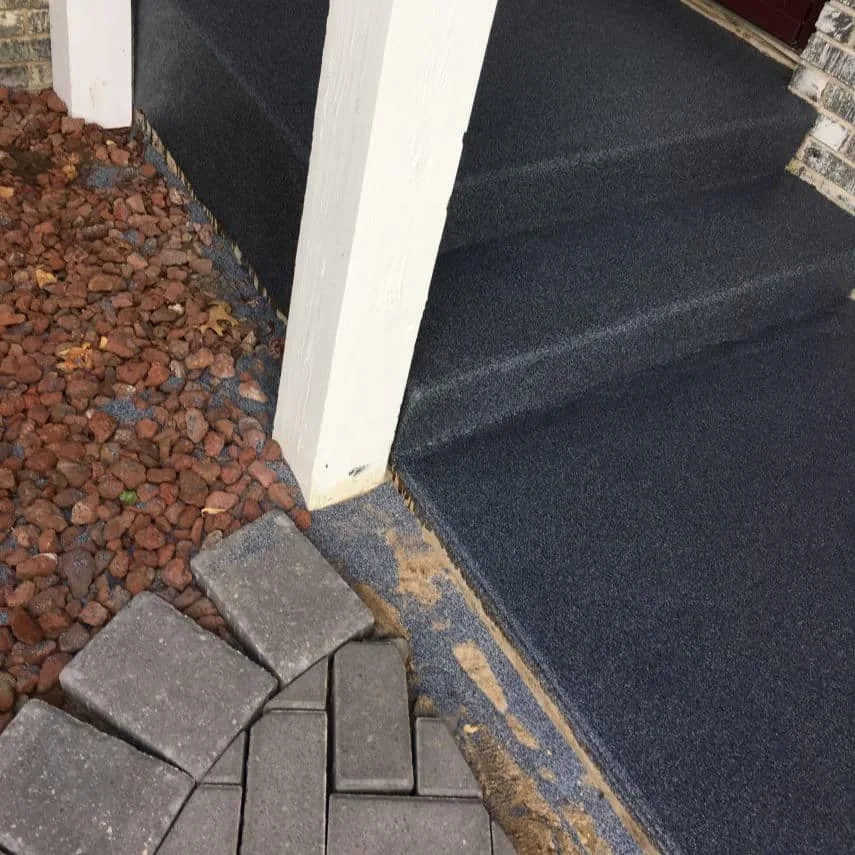
- Seasonal. Add mats at entrances during snow and mud months. A quick re-broadcast of grit in high-risk zones keeps traction dialed in.
If your space runs carts all day, we can suggest urethane topcoats formulated to resist micro-scratching. Think of it like a clear jacket for your floor,thin, tough, and easy to refresh.
Salt Lake snapshots: what local stores are seeing
We’re big believers in local proof. A few quick stories:
Sugar House apparel boutique: Swapped tired LVT for a satin gray epoxy with a soft metallic wash. Light levels “felt brighter” to the owner without adding new fixtures. Foot traffic lingered longer near feature walls. Scuffs at the register area dropped to almost none after we added a slip-resistant urethane topcoat.
Millcreek specialty grocer: Night install over two weeknights,prep, base coat, flake broadcast, and quick-cure topcoat. Saturday rush went off without a hitch. The manager noticed carts tracked in salt all winter but mopped clean in one pass. No whitening, no patch repairs.
Outdoor gear Shop near Cottonwood Heights: Chose a deep charcoal with directional inlays to guide ski-season crowds. Staff says traffic flow improved and entrances felt safer during storms. The logo inlay became a shareable photo spot,small win, real effect.
How epoxy compares to other floors you might be considering
There’s no one-size-fits-all. Here’s a fast, fair look at what we hear most often.
- Polished concrete. Clean and honest. But open pores can stain and need densifier care; reflection is lovely yet can highlight slab cracks you may not love.
- LVT or laminate. Style variety and fast install. Seams can lift with water and carts; patterns show wear paths sooner than you think.
- Porcelain tile. Tough face. Grout lines hold soil, and slips can rise when wet without textured selections; repair lines stay visible.
- Retail epoxy floors. Seamless, slip-tuned, color-custom. Easy care and renewability with recoat. Needs skilled install and real prep,worth it.
We often blend ideas, too. For example, polished concrete in low-traffic stock rooms and epoxy flooring across the sales floor for comfort, color, and cleanliness.
Quick answers to common questions
How long does install take? Many retail spaces wrap in two to four days, depending on size and complexity. Fast-cure topcoats can slash downtime.
Will it be slippery? We tune traction. Near entries, coolers, and restrooms a contractor may add texture for wet conditions while keeping aisles smooth enough for carts and heels.
What about fumes? We use low-VOC systems and set up airflow. Most clients say it’s milder than expected and clears fast.
Can we include our logo or aisle markers? Absolutely. We embed graphics under the clear coat so they last and clean like glass.
How do repairs work? Isolated damage can be patched and blended, then the topcoat renewed if needed. It’s far less disruptive than chasing grout or lifting tile.
Design tips from the field
Small tweaks make a big difference in retail. A few to consider while you plan:
- Match lighting to sheen. Gloss with narrow-beam spots can glare; satin with diffused LEDs is flattering and calm.
- Color-zone wisely. A subtle shift in floor tone can define departments without extra fixtures or signs.
- Mind acoustics. Hard floors can echo; pairing epoxy with soft furnishings or ceiling baffles keeps conversation warm and clear.
- Season-proof entries. Pair epoxy texture with quality mats and a quick daily dust plan to beat Salt Lake’s winter grind.
And if you’re near City Creek or The Gateway, we’ll coordinate hours and building rules so neighbors and property managers stay in the loop. Everyone breathes easier that way.
Ready to elevate your customer experience?
If you’re picturing how a seamless, beautiful floor could change the feel of your store,from the first step inside to the last look at checkout,we’d love to help. Utah Epoxy Coatings designs and installs epoxy flooring Salt Lake City retailers rely on: durable, slip-smart, and styled to sell.
Call us at 801-515-0892 or tap Request a Free Quote to get started. We’ll visit your space, talk through texture and colors, and map a plan that keeps your doors open and your floors turning heads. From Sugar House to South Salt Lake, Holladay to downtown, we’ve got your retail floor,covered.