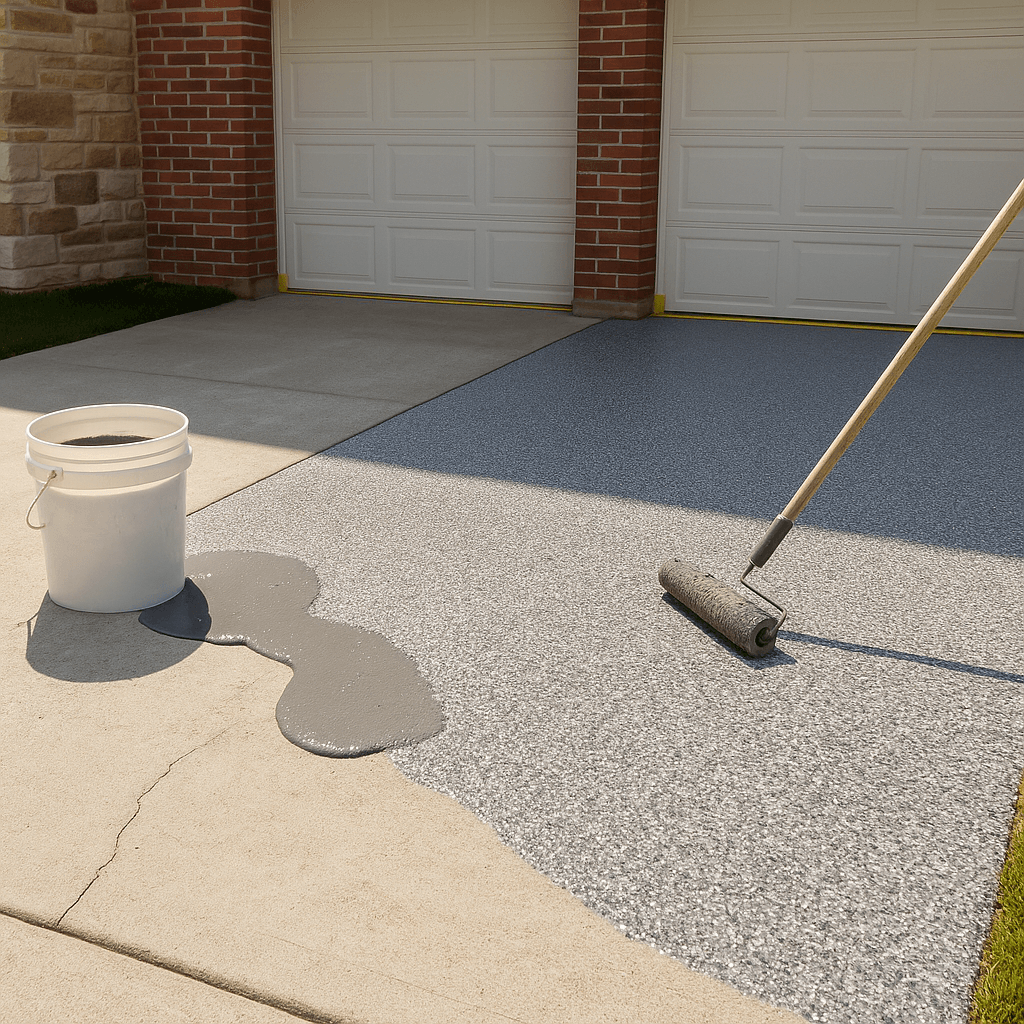
Picture this: you pull into your driveway after a long day, and instead of faded concrete, you see a clean, glossy surface that shrugs off oil, snow, and tire marks. That’s the appeal of a well-done epoxy driveway coating. It looks sharp, it holds up, and it’s surprisingly straightforward—if you follow the right steps. This guide from Utah Epoxy Coatings walks Salt Lake City homeowners and local businesses through the Process, step by step, with real-world tips for our climate and roads. And yes, we’ll talk about when DIY makes sense and when to call a pro. Let’s keep it simple, clear, and useful.
Is Epoxy Right For a Driveway in Salt Lake City?
Epoxy is tough. Still, it’s not magic. Driveways take wheel loads, UV, snowmelt, and deicing salts. That’s a lot. For open-sky driveways here along the Wasatch Front, the best system is usually a 100% solids epoxy basecoat topped with a UV-stable polyaspartic topcoat. Epoxy sticks like crazy and levels out; polyaspartic keeps the sun from yellowing the finish and makes cleanup quick.
Concrete condition matters. If your slab is crumbling, moving, or heaving from freeze-thaw, fix that first. And if the driveway is asphalt, different story—epoxy is for concrete, not asphalt.
You know what? The right system lasts years longer than a simple paint-like coating. But it starts with surface prep.
What You’ll Need: Tools, Materials, and Safety
DIY-friendly doesn’t mean bare-bones. The right kit makes all the difference.
- Safety gear: NIOSH-rated respirator, safety glasses, gloves, knee pads, and hearing protection.
- Prep tools: 7 in. handheld grinder with diamond cup wheel (DeWalt, Metabo), floor grinder with Diamabrush or diamond segments, Shop vac with HEPA filter, stiff broom.
- Cleaners: Degreaser like Simple Green HD or Purple Power; TSP substitute; clean water; oil stain remover (Poultice or microbial cleaner).
- Repair materials: Epoxy crack filler and repair mortar (Roadware 10 Minute, SikaLoadFix, or Rapid Set Mortar Mix), sand for bulking.
- Coatings: 100% solids epoxy basecoat (PPG Aquapon, Sherwin-Williams ArmorSeal, or ArmorPoxy Pro), optional moisture vapor barrier primer, polyaspartic topcoat (e.g., Polyaspartic 85/90, Sherwin Resuflor 3561).
- Application gear: Spike shoes, 18 in. epoxy roller frame and shed-resistant covers, squeegee, Chip brushes, mixing buckets, drill with paddle mixer, paint tray.
- Extras: Vinyl flakes or Quartz for texture, anti-slip additive (aluminum oxide or polymer beads), painter’s tape and plastic sheeting.
Honestly, if you don’t have a grinder, many rental centers in SLC do. The smoother the prep, the better the bond.
Pick the Right Weather Window
Here’s the thing: coatings cure based on temperature and humidity. Salt Lake City can swing 40 degrees in a day. Spring and fall are usually best. Aim for 50–85°F surface temperature with low humidity and no rain in the forecast. Check the dew point; you want the slab at least 5°F warmer than dew point to avoid condensation.
| Solid #ccc;”>Condition | Typical Cure Time | Notes |
|---|---|---|
| 60–70°F, 30–40% RH | Light foot traffic 12–18 hrs | Sweet spot for flow and bond |
| 80–90°F, 20–30% RH | Light foot traffic 6–10 hrs | Shorter pot life; mix smaller batches |
| 50–55°F, 40–60% RH | Light foot traffic 18–24 hrs | Slower cure; use cold-weather hardener if allowed |
Wind matters too. Blowing dust is a problem here—especially on dry summer afternoons. Early mornings help.
Step 1: Inspect and Test Your Slab
Start with a slow walk. Note oil spots, cracks, pitted areas, and any previous sealer. If water beads anywhere, there’s sealer that must be removed by grinding or blasting.
Moisture is the silent troublemaker. Do a simple ASTM D4263 plastic sheet test: tape a 2 ft by 2 ft plastic sheet to the slab for 24 hours. If you see condensation or darkening, plan for a moisture vapor barrier primer. For extra certainty, a calcium chloride test gives you MVER numbers.
Small warning: Epoxy hates moisture. And concrete always has some. The goal is to control it.
Step 2: Deep Clean and Degrease
Sweep first, then scrub. Use a heavy-duty degreaser on any oil or hydraulic leaks. Work it in with a stiff brush and rinse well. Repeat oily spots until water stops beading. For old, stubborn stains, a poultice oil remover or enzymatic cleaner can help.
Pressure washing is fine if you allow proper dry time—48 hours is a safe window in mild weather. Don’t skip dry time; trapped water can cause bubbles in the coating.
Step 3: Mechanical Prep—Grind for Tooth
Etching alone rarely cuts it for driveways that see real traffic. Mechanical prep is king. Use a floor grinder with diamond tooling to open the surface and create a uniform profile similar to 60–80 grit sandpaper. Hit edges and tight spots with a 7 in. grinder.
Vacuum dust as you go. A clean, matte surface with no shine is the goal. If you still see sealer or smooth trowel marks, keep grinding. This is the step that separates “pretty good” from “rock solid.”
Step 4: Repair Cracks, Joints, and Spalls
Chase cracks with a V-groove using your grinder. Blow or vacuum out dust. Fill with a fast-setting epoxy crack filler. For larger spalls or divots, trowel an epoxy mortar or polymer-modified repair mortar. Feather smooth so the final coat looks even.
Leave true expansion joints as joints. You can fill them later with a flexible polyurea joint filler if you want a cleaner look, but they exist to move.
Step 5: Prime and Control Moisture
Primers do two big things: they help the basecoat bond and they lock down dust. If your moisture test showed risk, use a dedicated moisture vapor barrier primer like Sherwin-Williams Resuflor MVB or Ardex MC Rapid. Broadcast clean, dry sand into the wet primer lightly to add tooth for the epoxy.
No moisture issue? A standard epoxy primer saves material and gives you a more even finish. It’s worth it either way.
Step 6: Mix and Roll the Epoxy Basecoat
Have everything staged. Lay tape along edges and thresholds. Put on spike shoes. Read the tech sheet. Most 100% solids epoxy kits are two parts you mix by ratio. Use a paddle mixer for the exact time recommended—no less, no more.
Cut in the edges with a chip brush, then pour a ribbon and squeegee it out in sections. Back-roll with an 18 in. roller in a “north-south, then east-west” pattern for even coverage. Watch for puddles and holidays. If your slab is thirsty, a second basecoat may be needed.
Work in manageable batches. Pot life shortens fast in warm weather—keep buckets shaded and mix smaller amounts when it’s hot.
Step 7: Add Flake or Quartz for Traction (Optional but Smart)
Broadcast vinyl flake or quartz while the basecoat is still wet. You can do a light sprinkle for a subtle look or full broadcast “to rejection” for a more textured, uniform surface. Let it cure, then scrape and vacuum the loose media. This step hides repairs and adds slip resistance, which is handy with snowmelt and kids running around.
If you want a sleek, no-flake look, add a fine anti-slip powder to the topcoat instead.
Step 8: Seal It with a UV-Stable Topcoat
A polyaspartic topcoat locks everything in and fights UV. It’s clear, hard, and chemical-resistant—great against tire marks, gas, and winter salts. Mix only what you can roll in the pot life window. Back-roll for uniform film. Many driveways do well with two coats for extra build.
For traction, blend in aluminum oxide or a fine grip additive per the data sheet. Test a small area to get the feel you want. Too aggressive feels like sandpaper; too light and winter boots may skate.
Step 9: Cure Times and First-Week Care
Most systems allow light foot traffic the next day and vehicle traffic in 48–72 hours, depending on temperature. Plan ahead so cars can park on the street or in the Garage.
For the first week:
– Keep water off the surface if possible.
– Don’t turn steering wheels while the Car is stopped; roll slightly, then turn.
– Avoid dragging stands or sharp metal.
– Skip harsh cleaners; mild soap and water is plenty.
Hot tire pickup is a common worry. With solid prep and a proper topcoat, hot tire pickup shouldn’t happen.
Maintenance and Winter Care in Utah
Our winters can be brutal on concrete. The coating helps, but a few habits go far.
– Use plastic shovels instead of steel blades to avoid gouges.
– Avoid piling magnesium chloride in one spot; rinse off heavy salt when you can.
– For traction, use kitty litter or sand, not rock salt chunks.
– Wash the driveway in spring to clear deicer residue.
– Consider a topcoat refresh every 3–5 years to keep that sealed, glossy look.
A little care beats major fixes later.
Common Mistakes We See (And How to Dodge Them)
- Skipping mechanical prep: Etch-only jobs often peel. Grind for consistent profile.
- Coating over moisture: Always test. Use a moisture vapor barrier when readings are high.
- Big batches in hot weather: Epoxy kicks fast. Mix smaller, work faster, stay cool.
- No traction plan: Smooth surfaces get slick when wet. Add flake or anti-slip media.
- Ignoring expansion joints: They need to move. Don’t glue them shut.
- Dirty edges and dust: Dust under the coating = failure spots. Vacuum and tack clean.
You know what? Most failures have nothing to do with the brand of epoxy. It’s prep and timing.
DIY or Call Utah Epoxy Coatings?
If your slab is newer, mostly clean, and you’re comfortable with grinders and rollers, a careful DIY can look great. If you see moisture issues, severe pitting, or you want a quartz-heavy system for heavy traffic, it’s worth bringing in a crew.
Here’s how we help:
– We run moisture tests and bring industrial grinders and HEPA vacuums.
– We install MVB primers when needed and choose the right polyaspartic topcoat.
– We add the right traction for your slope and snow plan.
– We work fast—most driveways get turned around in two to three days, weather allowing.
Curious about cost? In Salt Lake City, professional garage and driveway epoxy systems typically range from the mid-to-high single digits per square foot, depending on prep and build. Flake to rejection and MVB primers add material and labor, but they also add lifespan.
Fast FAQ
Will epoxy yellow in the sun? Epoxy alone can amber. That’s why we use a UV-stable polyaspartic topcoat on driveways.
Can you coat asphalt? No—this guide is for concrete. Asphalt moves too much and doesn’t bond well with epoxy systems.
How long does a driveway system last? With proper prep and care, 8–15 years is common. Traffic, sun, and maintenance affect the number.
How do I clean it? Mild soap, water, and a soft broom or mop. For oil, use a degreaser. Rinse well.
What about hot tire pickup? With solid grind, clean substrate, and a proven topcoat, it’s rare.
Step-by-Step Recap
– Plan the weather and check dew point.
– Test for moisture and old sealer.
– Degrease thoroughly and allow to dry.
– Grind the slab for a clean, uniform profile.
– Repair cracks and spalls with the right fillers.
– Prime and use a moisture vapor barrier if needed.
– Roll your 100% solids epoxy carefully.
– Add flake or quartz for looks and grip.
– Seal with a polyaspartic topcoat and mind cure times.
Simple, step-by-step, and it works. The difference is in the details—and we live in those details every day.
Ready to Give Your Driveway a Showroom Finish?
If you want a lasting, clean look that stands up to Utah weather, we’re here for it. Utah Epoxy Coatings installs driveway systems built for the Salt Lake Valley—grit, snow, sun, and all. Have questions about moisture or timing? Want a quick price range?
Call us at 801-515-0892 and talk with a local specialist today. Or tap here to Request a Free Quote. We’ll check your slab, recommend the right system, and schedule a weather-friendly install that fits your calendar.
You handle the “wow.” We’ll handle the work.